Disclosure: Some links in this article are affiliate links. If you book through them, I may earn a small commission at no extra cost to you. The rules, fares and numbers below come from official sources (Japan National Tourism Organization, Japan Tourism Agency, Digital Agency and the rail operators), checked on October 9, 2026.
Dollar amounts are approximate at $1 ≈ ¥158 (October 2026). You pay in yen.
Tokyo is surprisingly easy to get around, even on your first visit to Japan. Trains run on time, it's clean, and it's safe. But a handful of things trip up almost every first-timer: which card to tap at the gate, where cards don't work, how tax-free shopping changes this autumn, and what counts as rude on a train.I’m Ramen Dad. I’m Japanese, I live in Tokyo with my daughter, and I used to work in IT. Friends from abroad ask me the same questions before every trip, so here are the 12 things I tell them, with the official numbers. If you’re traveling with kids, each section ends with a short family note and a link to the detailed guide.
Ramen Dad’s note: Friends ask me what to know before their first Tokyo trip, and I always lead with the basics. Sort mobile data and any tickets that can sell out first.
Quick answer: the 12 things
| # | Thing to know | In one line |
|---|---|---|
| 1 | Arrival | Fill in Visit Japan Web before you fly; allow time to get out of the airport |
| 2 | Where to stay | Near a big station on the line you’ll use most |
| 3 | IC cards | Welcome Suica or TOURIST PASMO, tap in and out |
| 4 | Subway passes | Tokyo Subway Ticket: 24h ¥1,000, 72h ¥2,000 |
| 5 | Cash and cards | Cards mostly work; ATMs at 7-Eleven and Japan Post take foreign cards |
| 6 | Tax-free shopping | Becomes a refund at departure from Nov 1, 2026; do it before checking bags |
| 7 | Phone and data | eSIM or pocket Wi-Fi; check your phone is unlocked |
| 8 | Tipping | Don’t. It’s not customary |
| 9 | Train manners | Quiet, no phone calls, give priority seats away |
| 10 | Trash, queues, shoes | Carry your trash, line up, shoes off when asked |
| 11 | Safety | Very safe; save 110, 119 and the visitor hotline |
| 12 | Book ahead | Disney, Ghibli and teamLab have fixed sale dates |
1. Arrival: do the paperwork before you land
Visit Japan Web is the government’s online form for immigration and customs. You register your passport, flight and email, and get a QR code to show at the immigration counter and the customs declaration terminal (Digital Agency).
Then budget time. For planning, I assume 60–120 minutes from landing to walking out of arrivals; the airports don’t publish a total. That matters because the fast trains from Narita stop earlier than people expect. On the October 2026 timetables, the last Narita Express toward Tokyo leaves Narita Airport (Terminal 1) station at 9:44 p.m., and the last Skyliner at 11:00 p.m. Timetables change, so if you land late, check the JR East and Keisei timetables for your date before you pick a hotel or transfer.
With kids: my Narita and Haneda to your Tokyo hotel guide sorts every option by arrival time. Landing at dawn? See Haneda day-use hotels and rest spots.
2. Where to stay: choose by transit access, not just the neighborhood
Tokyo is huge, and the biggest time-saver is a hotel a few minutes’ walk from a station on the line you’ll use most. A quick way to choose:
| Base | Good for | Handy because |
|---|---|---|
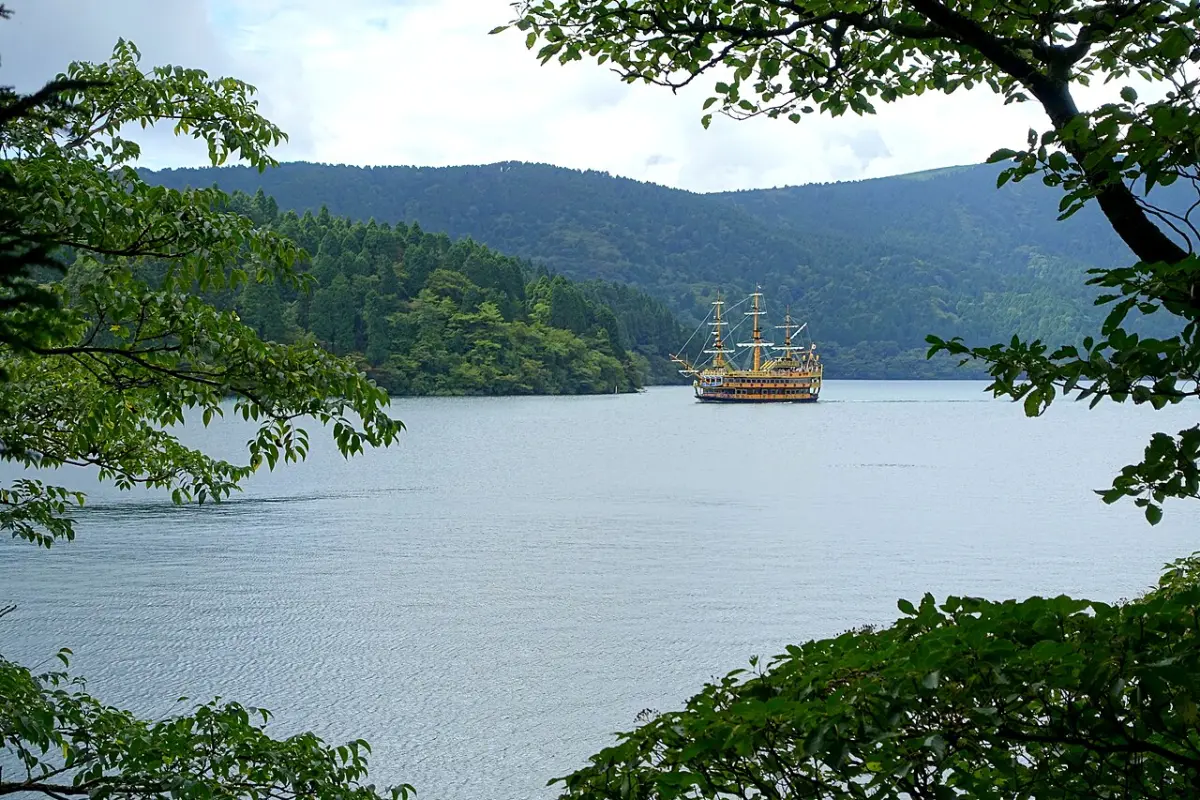
| Shinjuku | First-timers who want everything | Narita Express stops here; Romancecar to Hakone (about 80 min) and Chuo Line to Mitaka for the Ghibli Museum (20 min) |
| Tokyo Station / Ginza | Day trips and Disney | Shinkansen (Kyoto about 130 min); Keiyo Line to Maihama for Disney (about 15 min) |
| Ueno / Asakusa | Late Narita arrivals, older Tokyo, value | The Skyliner from Narita ends at Keisei-Ueno; Ueno Zoo and Senso-ji nearby |
| Shibuya | Shopping, nightlife, Pokémon Center | Narita Express stops here; Pokémon Center Shibuya is open until 9 p.m. |
One catch: big stations like Shinjuku and Tokyo are huge. Check the walking route from the exit nearest your hotel, not just the station name; a hotel that looks close on the map can still mean a long walk, stairs and crowded passages.
With kids: family rooms take some searching, and the rules on how many children can share a bed vary by chain. My Tokyo family rooms guide compares the rules, and how to book on Jalan and Rakuten Travel in English shows how to use the Japanese sites that list more family rooms.
Ramen Dad’s note: As a local parent, I’d choose the area by transit access. Check the walk from the exit nearest your hotel, not just the station name.
3. Get an IC card for trains, subways and buses
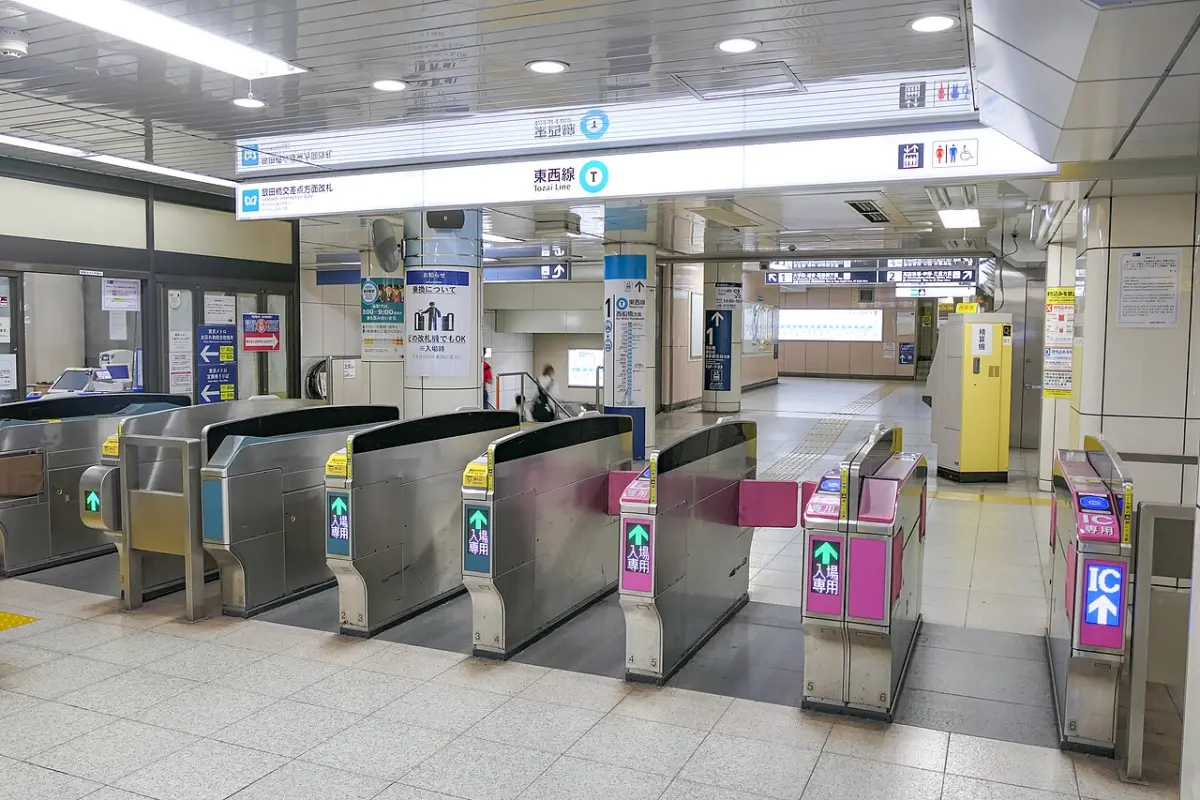
Almost all of Tokyo’s trains, subways and buses take rechargeable IC cards. You tap in, tap out, and the fare is deducted. For visitors there are two:
- Welcome Suica (JR East): ¥1,000–¥10,000, no deposit, valid 28 days, no refunds. Sold at the airport stations and at JR travel service centers in Tokyo, Shibuya, Shinjuku, Ikebukuro and Ueno. Top up with cash only. Keep the reference paper it comes with.
- TOURIST PASMO: sold at Haneda (Keikyu) and Narita (Keisei; the Narita card is ¥2,000), no deposit, valid 28 days. Money left on the card isn’t refunded, so try to spend it before you fly home (PASMO).
- iPhone users can also use Welcome Suica Mobile (valid 180 days; you must be 13 or older to use the app).
The same cards work at convenience stores and a growing number of shops, which JNTO points out is handy when you don’t want to carry much cash.
Why not just tap a credit card? JNTO notes you can’t always use cards for short train and subway fares. An IC card is the easy default in Tokyo, though PASMO itself notes it isn’t accepted on every train and bus network in Japan.
With kids: ages 6–11 pay half, and up to two children under 6 ride free with each paying adult. Children can get their own child Welcome Suica (bring their passport). Details in Suica for kids.
4. Subway passes: worth it if you ride a lot
The Tokyo Subway Ticket covers all Tokyo Metro and Toei subway lines (not JR) for visitors:
| Pass | Adult | Child |
|---|---|---|
| 24 hours | ¥1,000 (≈$6) | ¥500 (≈$3) |
| 48 hours | ¥1,500 (≈$9) | ¥750 (≈$5) |
| 72 hours | ¥2,000 (≈$13) | ¥1,000 (≈$6) |
Should you buy one? Check your routes first. The pass covers Tokyo Metro and Toei Subway only, not JR lines (that includes the Keiyo Line to Disney) or the airport express trains. If you only take one or two subway rides a day, paying with your IC card may be cheaper. Tokyo Metro also sells a QR-code version (Tokyo Metro).
Family of four (2 adults, a 6-year-old and a toddler who rides free): 72 hours costs ¥5,000 (≈$32). It pays off on days when you hop around by subway; on days spent at Disney or on JR lines, it doesn’t.
See the Tokyo Subway Ticket on Klook ↗Affiliate link. Prices and availability can change.
---5. Cash and cards: carry both
JNTO says international credit, debit and prepaid cards are “generally accepted throughout the country,” but small shops and guesthouses may be cash only, and some places don’t display card logos, so ask (JNTO).
For cash, ATMs at Seven Bank (mostly inside 7-Eleven stores) and Japan Post Bank take overseas cards. Seven Bank’s ATMs offer 12 languages.
My habit as a local: card for hotels, department stores and chain restaurants; cash for small restaurants, shrines, temple charms and topping up IC cards.
With kids: clinics often take cash only. My kid sick in Japan guide suggests how much to keep on you.
6. Tax-free shopping changes on November 1, 2026
This is the big one for autumn trips. For purchases from November 1, 2026, Japan switches tax-free shopping to a refund system (Japan Tourism Agency):
- You pay the full tax-inclusive price in the shop.
- The tax is refunded after customs at your departure airport or port confirms you’re taking the goods out of Japan.
- It applies to purchases of ¥5,000 or more (before tax) per store per day.
- When you leave Japan, within 90 days of purchase, you scan your passport at a tax-free terminal in the airport or port departure lobby, before you check in your bags. You need all the goods with you, and checked bags can’t be retrieved for this. If the screen shows red, customs inspects the goods.
- At Narita and Haneda you can also do it on Visit Japan Web in the departure lobby areas with dedicated Wi-Fi (up to security).
- The sealed bags for food and cosmetics are gone, but consumables you use or eat in Japan don’t qualify for the refund.
- The refund comes from the shop or a refund company it works with.
What it means for you: keep receipts together, keep tax-free items in a bag you can reach until customs is done, and leave extra time on departure day. If you miss your flight because the procedure took too long, neither the airline nor customs compensates you.
7. Phone and data: sort it before you fly
You’ll use maps, train apps and translation constantly, so you want data from the moment you land. The two common choices:
- eSIM: a data plan you install on your phone before departure. No pickup, no device to return. Your phone has to support eSIM and be unlocked by your home carrier, so check both for your exact model before you buy, and check whether the plan is data-only or includes calls. Save the install instructions and an offline map before your flight.
- Pocket Wi-Fi: a small router you collect at the airport and return at the end. One device can serve the whole group, but it needs charging and someone has to carry it.
As an ex-IT engineer, my rule is simple: if every adult has an unlocked, eSIM-capable phone, eSIM is less hassle. If not, or if you want one connection for several devices, pocket Wi-Fi.
Check Japan eSIM plans on Yesim ↗Affiliate link. Prices and availability can change.
**With kids:** if a child has a tablet, the parent's phone hotspot or a pocket Wi-Fi covers it. Check how much data your plan includes before streaming cartoons on the train.Ramen Dad’s note: As an ex-IT engineer, I’d set up mobile data before you fly. If every adult has an unlocked, eSIM-capable phone, eSIM is less hassle.
8. Don’t tip
JNTO’s etiquette guide puts it plainly: “Tipping is not customary in Japan and will often be met with confusion.” You pay the price on the bill at restaurants, hotels and taxis. If you want to say thanks, say arigatou gozaimasu.
9. Train manners
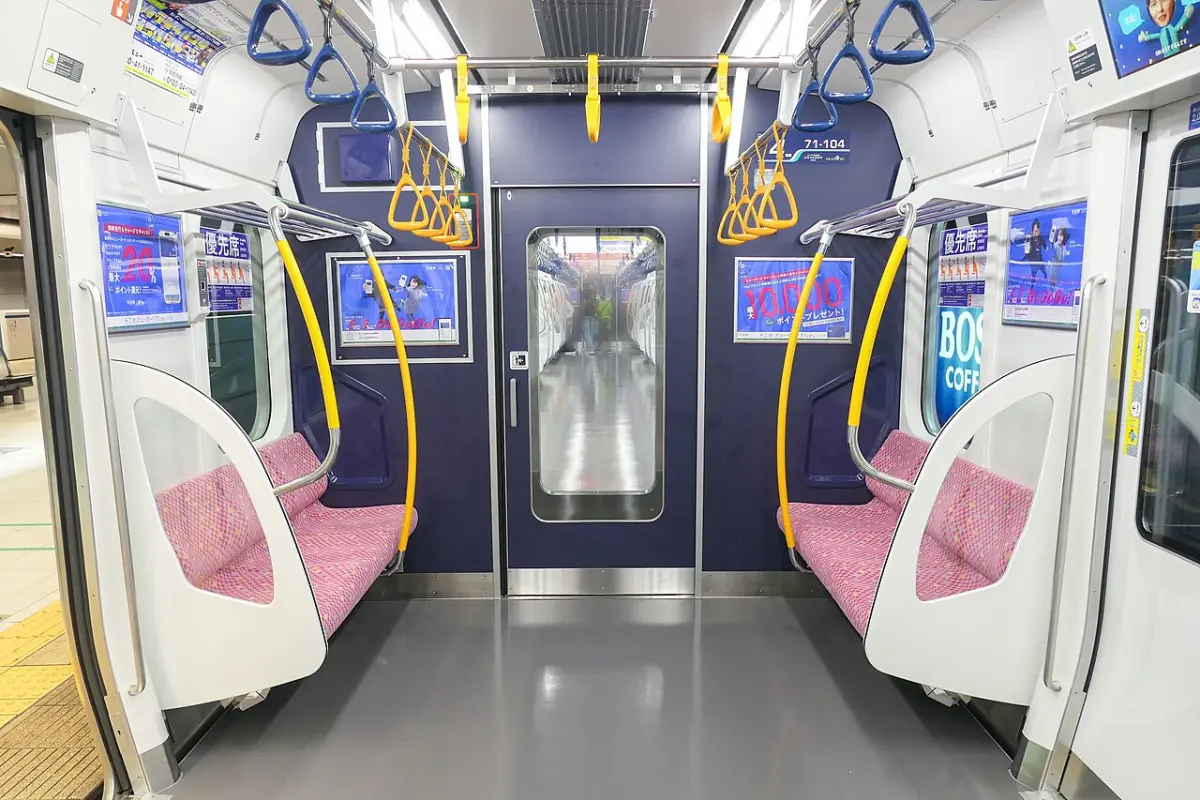
From JNTO’s etiquette guide (JNTO):
- Keep your voice down and don’t talk on the phone.
- Give priority seats to people who need them: older people, pregnant women, parents with young children and people with disabilities.
- Line up in an orderly way; nobody cuts ahead.
With kids: that priority-seat list includes you. If someone offers a seat to your child, take it with a thank-you. For getting around with a stroller, see stroller or carrier in Japan.
10. Trash, queues and shoes
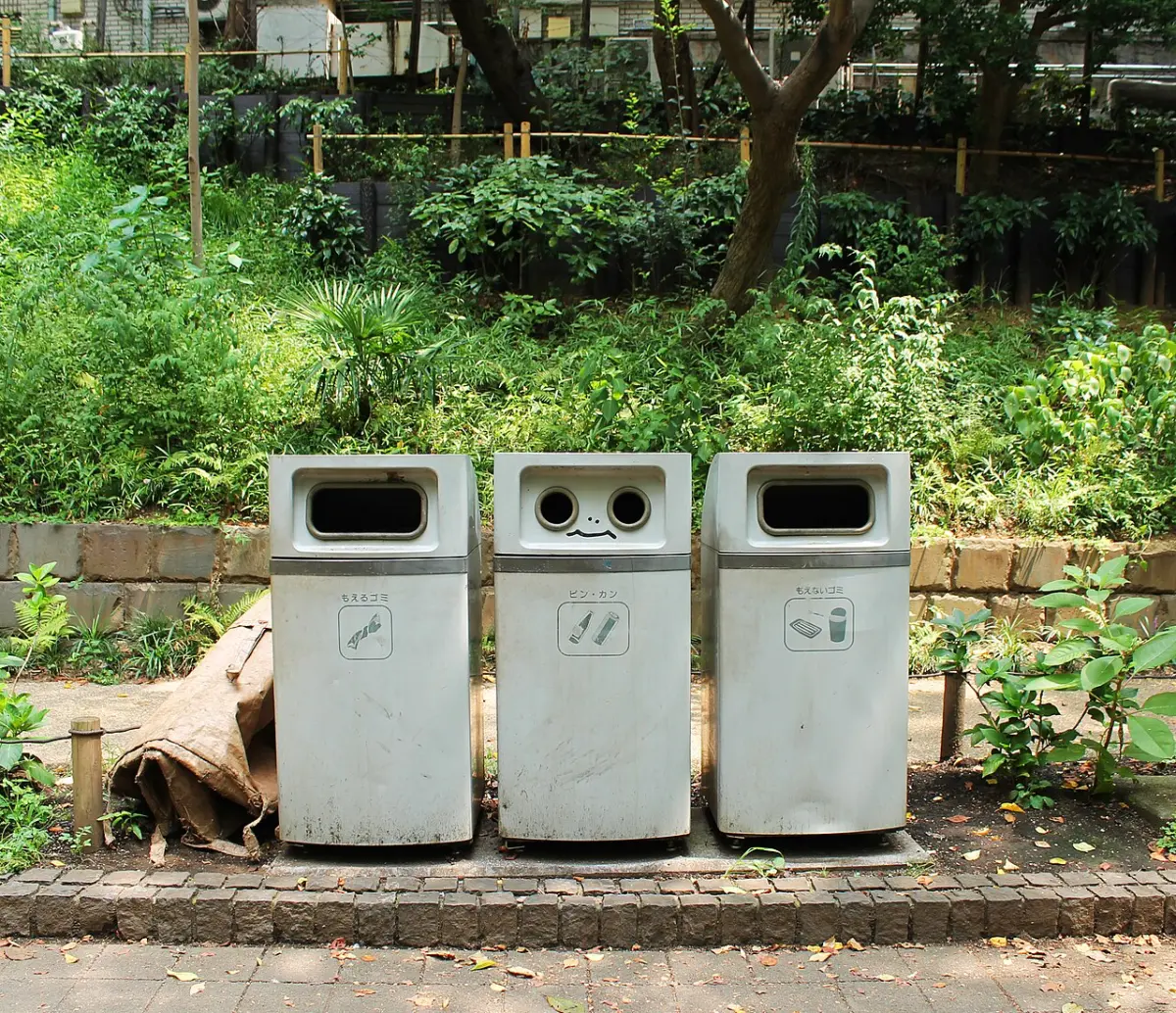
- Trash: public bins are rare. JNTO’s advice is to take your trash with you if there isn’t a bin. Carry a small bag.
- Queues: people line up for everything, and nobody cuts in.
- Shoes: some attractions, restaurants and traditional inns ask you to take shoes off. Wear shoes that slip on and off easily.
- Hot springs: wash and rinse before you get in, and no swimsuits. For families and tattoos, see Hakone ryokan with a private onsen.
Ramen Dad’s note: As a parent here, the manners I’d mention are simple ones: carry your trash, line up, and wear shoes that slip off easily.
11. Safety: very safe, but save these numbers
JNTO’s emergency page says Japan is very safe and the crime rate is quite low, but recommends being ready for natural disasters (JNTO).
| For | Number |
|---|---|
| Police | 110 |
| Fire and ambulance | 119 |
| Tokyo police English helpline (24 h) | 03-3501-0110 |
| JNTO Japan Visitor Hotline (24 h, English, Chinese, Korean) | 050-3816-2787 |
Lost something or need a police report for insurance? Go to a koban (police box); your hotel front desk can point you to one.
If your child gets separated, ask the nearest station staff or shop staff right away. A photo of your child’s outfit each morning and a card with your hotel’s name and a parent’s phone number in their pocket make it faster.
Install Safety tips, a free app supervised by the Japan Tourism Agency. It pushes earthquake early warnings, tsunami warnings and weather warnings in English and many other languages, with an evacuation flowchart (Safety tips).
With kids: for a fever at night, Tokyo’s #7119 line is in Japanese; the Himawari medical information line (03-5285-8181, 9 a.m.–8 p.m.) speaks English. Packing medicine? Check the limits in bringing medicine into Japan first; Adderall, for example, is banned.
Food allergies: restaurants in Japan aren’t legally required to give allergy information, though some chains publish allergen charts. See eating out in Japan with a picky eater or toddler.
12. Book the big things on their sale dates
Popular Tokyo attractions can sell out, and ticket release dates vary:
- Tokyo Disney Resort: every day at 2 p.m. Japan time, for the date two months later. Gate booths don’t sell tickets.
- Ghibli Museum: on the 10th at 10 a.m. Japan time, for the following month. Closed Tuesdays plus other set days; check the official calendar.
- teamLab Planets and Borderless: dated tickets, and the closed days change by month; check Planets and Borderless for your dates.
Set reminders in Japan Standard Time (JST), since you’ll probably be booking from home. Guides: Tokyo Disney with a toddler, Ghibli Museum and Pokémon tickets, teamLab Planets vs Borderless.
How long should a first trip be?
For a first Tokyo trip, I’d plan at least five full days, not counting the day you land. That gives you one big attraction a day and room for jet lag. My how many days in Tokyo guide has sample 3, 5 and 7-day plans with real travel times. Choosing a month? Start with Japan in November, one of the easiest months to visit.
FAQ
“Do I need cash in Tokyo?” Some. Cards are widely accepted, but small places and IC card top-ups need cash. Seven Bank and Japan Post ATMs take foreign cards.
“Suica or PASMO?” Either. Both work on Tokyo’s trains, subways and buses. Buy whichever is sold where you land.
“Is the JR Pass worth it for Tokyo only?” For getting around Tokyo itself, an IC card is simpler. A rail pass is about long-distance trips; compare it against the Shinkansen fares you’ll actually take.
“Is Tokyo safe for families?” JNTO describes Japan as very safe with a low crime rate. From a parent’s point of view, the things worth preparing for are a child getting separated in a busy station and a child getting sick, so save the hotline numbers.
“Do I still get tax-free shopping after November 1?” Yes, but as a refund. You pay tax in the shop and get it back after the customs procedure at the airport when you leave Japan, within 90 days. Do it before checking your bags.
Checklist: before your first Tokyo trip
- Register on Visit Japan Web and save the QR code.
- Pick a hotel near a big station on the line you’ll use most.
- Plan your IC card: Welcome Suica, Tourist PASMO or Welcome Suica Mobile.
- Bring a card and some yen, and know that 7-Eleven ATMs take foreign cards.
- Sort data: eSIM (unlocked phone) or pocket Wi-Fi.
- Install Safety tips and save 110, 119 and 050-3816-2787.
- Set alarms for ticket sales (Disney, Ghibli, teamLab).
- Shopping after Nov 1, 2026? Keep receipts and leave time at the airport for the tax refund, before you check bags.
You don’t need to book everything. Start with your hotel, mobile data and any tickets that can sell out. Buy a subway pass only after checking your routes, and pick an airport transfer based on your arrival time, luggage and your kids’ ages.
Ramen Dad’s note: If you remember one thing: you don’t need to book everything. Start with the hotel, mobile data and the tickets that sell out.
Rules, fares and numbers were checked against official sources on October 9, 2026. Prices and procedures change; check the linked official pages before you travel.