Dollar amounts are approximate at $1 ≈ ¥158 (October 2026). You pay in yen.
Suica is one of the easiest ways to pay for trains, buses, vending machines and convenience stores in Tokyo. Adults can now get one in minutes, on a phone or from a machine at the airport. **Suica for kids** is where people get confused: which children need a card at all, which card gives a child fare, and why the age rule mentions March 31.I’m a Tokyo dad with a daughter in second grade, and I’ve watched visiting friends buy a card for a toddler who rides free, then tap an adult card for a 9-year-old and pay double. Here’s the short version of the rules, taken from JR East’s own pages (some only in Japanese), checked on October 9, 2026.
Ramen Dad’s note: We got my daughter a child Suica of her own. For visiting kids, the Welcome Suica (Child) is the easy version.
Quick answer
| Question | Answer (checked October 9, 2026) |
|---|---|
| Does my under-6 need a Suica? | No. Ages 1–5 ride free with a paying passenger, up to two per adult. Babies under 1 are free |
| When does a child fare start? | Age 6. Ages 6–11 pay the child fare, about half the adult fare |
| When does the adult fare start? | Age 12 (Japan’s school-year exception is explained below) |
| Best card for a visiting child | Welcome Suica (Child): a physical card, no deposit, valid 28 days |
| Where to buy it | Narita Airport stations, Haneda Terminal 3 (Monorail) station, and JR EAST Travel Service Centers at Tokyo, Shinjuku, Shibuya, Ikebukuro, Ueno and more |
| What to bring | The child’s passport, even if a parent buys the card |
| Price | ¥1,000–¥10,000 (≈$6–$63), all of it usable balance |
| Refund at the end? | No. Leftover balance is never refunded |
| Can I use the phone app for my child? | The Welcome Suica Mobile app is for users 13 and over. Plan on a physical card for kids |
| Tapping a credit card for my child? | Tokyo Metro’s tap-to-ride charges adult fares only |
These ages are a quick guide. Japan’s school-year exceptions can change things for a child who is exactly 6 or 12, so read the March 31 rule below before buying a card for either age.
Which kids need a card? Japan’s fare ages
Japan’s railways use four age groups. This is JR East’s table, and Tokyo’s subways and private railways follow the same idea:
| Group | Age | What they pay |
|---|---|---|
| Infant | Under 1 | Free |
| Preschooler | 1–5 | Free, up to two per paying adult or child |
| Child | 6–11 | Child fare (half the adult fare) |
| Adult | 12 and up | Adult fare |
If your child is 6 or 12, see the March 31 rule below before you buy anything.
A preschooler stops being free in three situations:
- A third preschooler. One adult with three kids under 6 pays one child fare (the first two children ride free).
- Their own reserved seat. If you want a reserved seat (or a Green Car seat, except unreserved Green Cars) on the Shinkansen or an airport express for your 4-year-old, you buy a child ticket. Sitting on your lap or sharing your seat, they’re free.
- Traveling alone. Not a concern for most visiting families.
JR East: adults and children (Japanese)
What this means for Suica
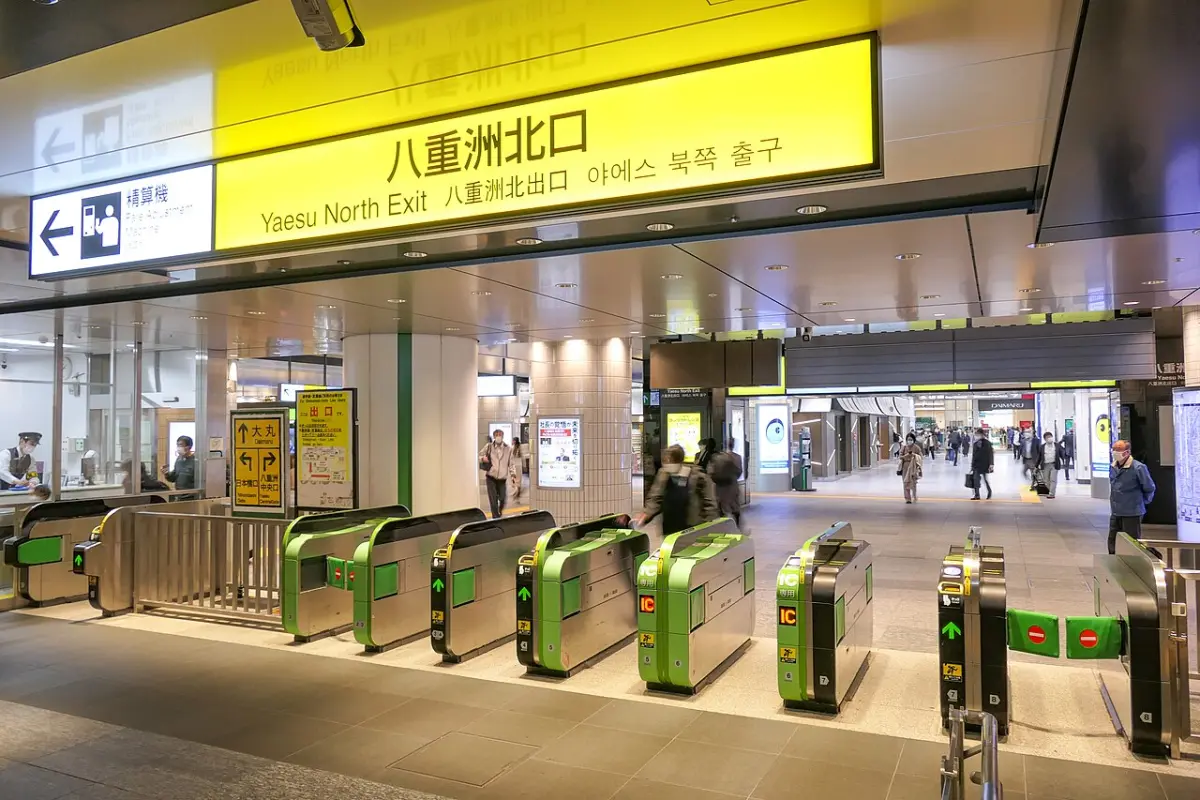
For a child under 6 riding with you, don’t buy a card. They walk through the gate with you. Tapping a child card for a preschooler would deduct a child fare for a trip that is free.
For a child 6 to 11, buy a child card. An adult Suica charges adult fares, and there’s no way to switch a card to “child mode” at the gate.
The March 31 rule (why 6 and 12 are tricky)
Japan’s rail rules tie the cutoffs to the Japanese school year, which starts on April 1:
- A 6-year-old who hasn’t started elementary school yet still counts as a preschooler.
- A 12-year-old who is still in elementary school still pays the child fare.
- Separately, a child IC card can be used until the first March 31 after the child turns 12. That’s the card’s expiry, not a promise of child fares until then.
JR East defines “elementary school” as a Japanese elementary school, so don’t assume your child’s U.S. grade level carries over. For most visiting families, ages 6–11 are the practical guide for child fares. If your child is exactly 6 or 12 on the trip, show their passport at the JR EAST Travel Service Center and confirm the right fare before you buy the card. The staff check the passport and set the card type.
Ramen Dad’s note: I’ve taken my preschooler through the gates countless times. Under-6s ride free with a parent, so they don’t need a card at all.
Welcome Suica (Child): the card most visiting kids should use
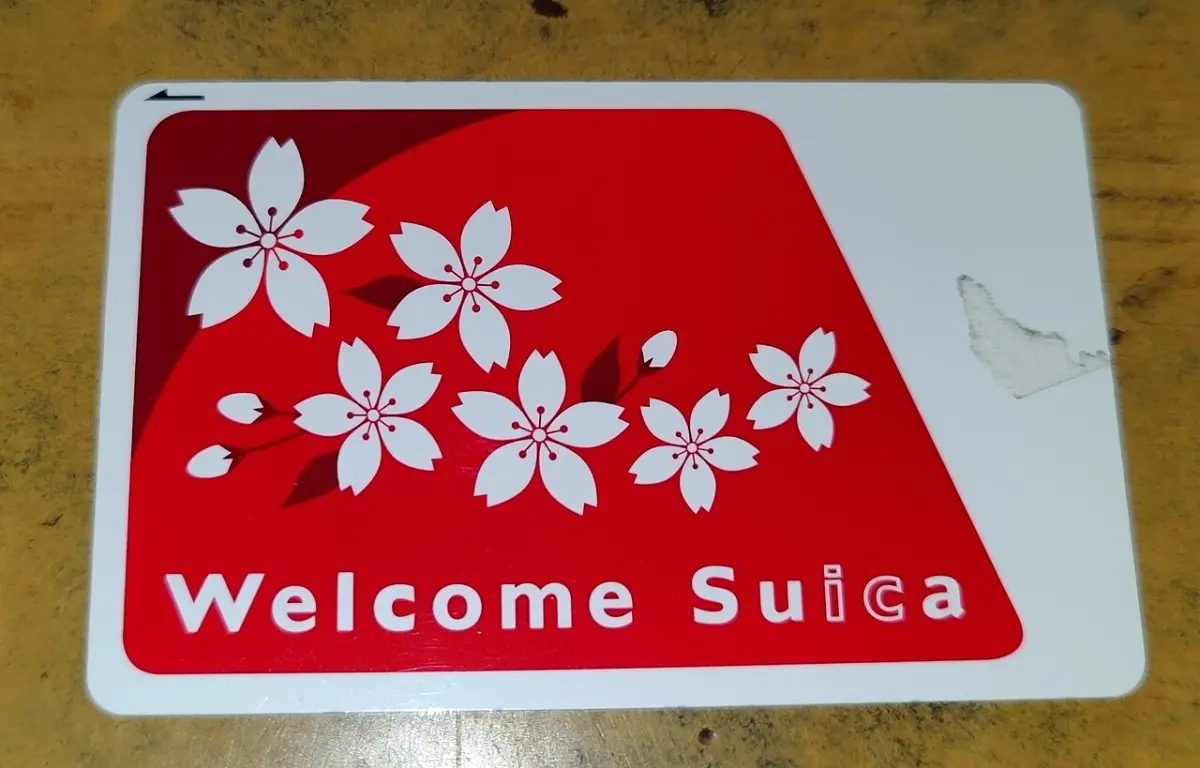
Welcome Suica is JR East’s card for short-term visitors. It comes in adult and child versions, and the child version is the simplest way to get child fares across Tokyo.
Where to buy it
From the airport straight off the plane:
- Narita Airport Terminal 1 Station and Terminal 2・3 Station: Welcome Suica vending machines and a JR EAST Travel Service Center
- Haneda Airport Terminal 3 Station (Tokyo Monorail): vending machines and a JR EAST Travel Service Center
In the city, at JR EAST Travel Service Centers:
- Tokyo, Shinjuku, Shibuya, Ikebukuro, Ueno and Yokohama stations (also Sendai)
- JAPAN RAIL CAFÉ TOKYO and the TAKANAWA GATEWAY Travel Service Center
JR East says that, in principle, one Welcome Suica is sold per person, so each child gets their own card.
At Haneda, the sales point is the Terminal 3 Monorail station. If you land at Terminal 1 or 2, buy at a big JR station in the city on your first day, or use the TOURIST PASMO option below.
How the child version works
- Bring the child’s passport. A parent can buy the card, but staff will still check the child’s ID. At the vending machine you enter the child’s date of birth.
- Choose a value: ¥1,000, ¥2,000, ¥3,000, ¥4,000, ¥5,000 or ¥10,000. There’s no deposit, so it’s all spendable balance.
- Keep the “reference paper” you get with the card. It shows whether the card is adult or child and when it expires. Staff can ask to see it. Lost it? Reprint it at a station ticket machine.
- Valid for 28 days, counting the day you buy it. The “GOOD THRU” date printed on the back is not the expiry date.
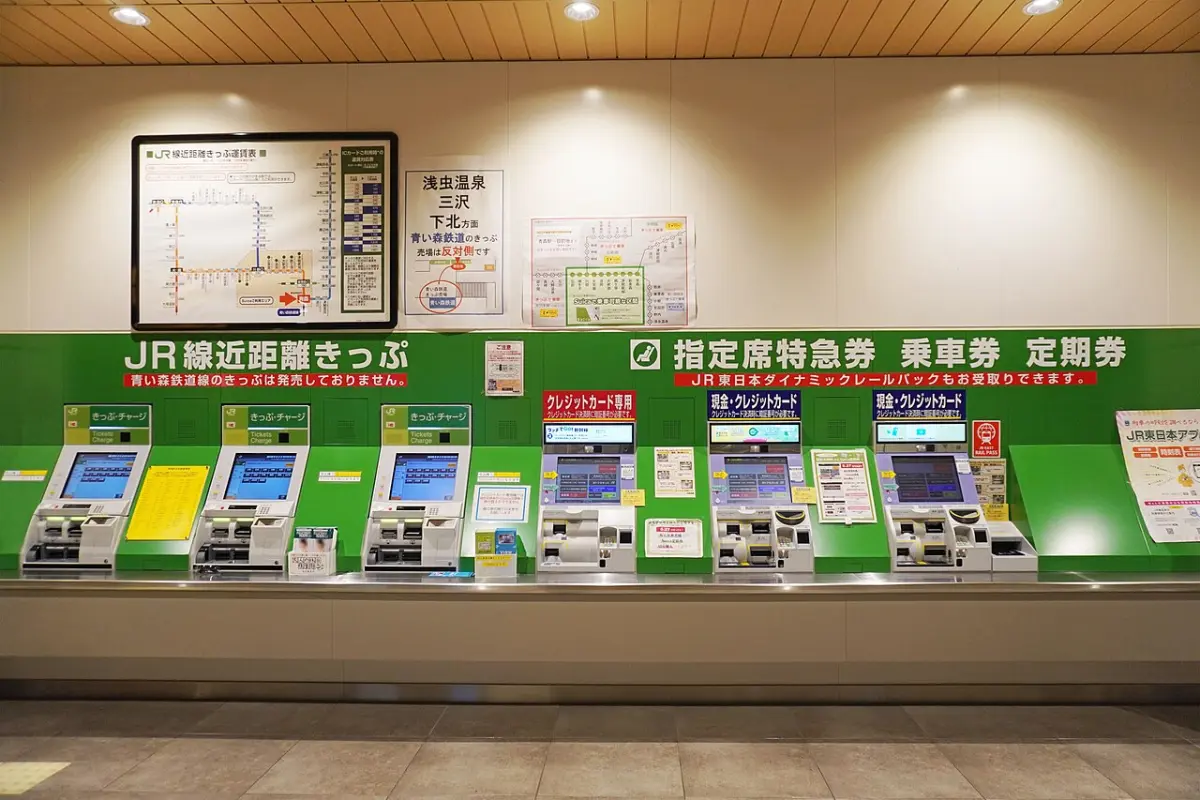
- Top up with cash only, up to ¥20,000, at ticket machines and fare adjustment machines with the Welcome Suica mark, or at Seven Bank ATMs in 7-Eleven. Credit cards can’t be used to top up.
- No refunds, for any reason. Lost cards can’t be reissued.
One warning from JR East: if someone over the age range uses a child card, they’re charged the adult fare from the boarding station plus a penalty of twice that fare. Don’t let a teenager borrow a sibling’s card.
Official Welcome Suica purchase page
What it covers
The same places as any Suica: trains, subways and buses around Tokyo, the Tokyo Monorail to Haneda, and shops and vending machines showing the nationwide IC logo. It also works in other regions of Japan, but not on a single trip that crosses from one region to another (for example, Tokyo to Sendai). Limited express trains, the Shinkansen and Green Cars need a separate ticket.
Ramen Dad’s note: I’ve seen the Welcome Suica machines at the airports myself. Bring your child’s passport if you’re buying a child card.
Other ways to get child fares
Welcome Suica or TOURIST PASMO? Pick by your arrival route
| Arriving at | Easiest card to buy on arrival |
|---|---|
| Narita (JR or Keisei stations) | Welcome Suica, or TOURIST PASMO (¥2,000 only at Narita) |
| Haneda Terminal 1 or 2, taking the Keikyu Line | TOURIST PASMO |
| Haneda Terminal 3 | Welcome Suica (Monorail station) or TOURIST PASMO (Keikyu station) |
| Already in the city near a big JR station | Welcome Suica |
Both cards have child versions, no deposit, a 28-day validity and no refunds of unused balance, and both work across Japan’s nationwide IC network. Choose the one that’s easiest to buy on your route.
TOURIST PASMO: an airport alternative
PASMO, Tokyo’s other tap card, sells TOURIST PASMO to international visitors at the airports (launched in 2026). It works like Welcome Suica: no deposit, valid 28 days, no refunds, and a child version that can be used until the first March 31 after the child turns 12.
- Haneda (Keikyu Line): ticket machines for travelers at the Terminal 1・2 and Terminal 3 stations, plus the Keikyu Tourist Information Center at Terminal 3. ¥1,000–¥10,000, and credit cards are accepted for the purchase.
- Narita (Keisei Line): SKYLINER & KEISEI INFORMATION CENTER at the Terminal 1 and Terminal 2 stations, ¥2,000 cards.
For a child TOURIST PASMO, bring the child’s passport (or other accepted official ID). PASMO’s rules say the child card is sold only after the ID is shown and the child’s age is checked.
This is handy if you land at Haneda Terminal 1 or 2 and take the Keikyu Line into the city. TOURIST PASMO official page
The regular child Suica (better for longer stays)
Japan’s ordinary child Suica is a registered “My Suica” card with the child’s name and birth date. It’s sold only at JR East ticket offices (Midori-no-madoguchi) and staffed ticket machines, needs the child’s ID, and carries a ¥500 deposit (returned when you hand the card back). It doesn’t have Welcome Suica’s 28-day limit, which can help on a long stay. For a typical one- or two-week vacation, Welcome Suica is usually simpler. JR East: My Suica (Japanese)
Phone wallets and credit-card tap
- Welcome Suica Mobile (iPhone app) is great for adults: balance valid 180 days, and you can buy Shinkansen and Narita Express seats in it. But JR East says users must be 13 or older, so it isn’t the tool for your child’s fares.
- Tapping a Visa or Mastercard at the gate is now possible on Tokyo Metro and other lines. Tokyo Metro states there is no child fare on this service: a child using it pays the adult fare.
Family of four: what you actually buy
Example: 2 adults, a 2-year-old and a 6-year-old, one week in Tokyo.
| Person | What they need | Cost to start |
|---|---|---|
| Adult 1 | Welcome Suica (card or iPhone app) | Your choice of top-up |
| Adult 2 | Welcome Suica (card or iPhone app) | Your choice of top-up |
| 6-year-old | Welcome Suica (Child) card | Start with ¥1,000–¥2,000 (≈$6–$13) and top up as needed |
| 2-year-old | Nothing. Rides free with either parent | ¥0 |
Child IC fares are half the adult IC fare, so your 6-year-old will generally spend less on train fares than you do. To estimate: if your child’s rides average ¥100 each and you take four a day, that’s about ¥400 a day. Your real cost depends on your routes. Start small and top up with cash at any station. Since balances can’t be refunded, let the card run low near the end of the trip and spend the rest on drinks and snacks at a convenience store or station kiosk.
One small catch from JR East’s IC fare page: because the rounding works differently, a child’s IC fare can occasionally come out a few yen higher than a paper child ticket for the same trip. The difference is usually minimal, and many families find the convenience worthwhile.
Ramen Dad’s note: We top up my daughter’s Suica as a regular thing. For a visit, start small and top up as needed; there’s no refund on leftover balance.
Is the Tokyo Subway Ticket better?
If you’ll ride the subway a lot, Tokyo Metro and Toei’s Tokyo Subway Ticket has a child price:
| Ticket | Adult | Child |
|---|---|---|
| 24 hours | ¥1,000 (≈$6) | ¥500 (≈$3) |
| 48 hours | ¥1,500 (≈$9) | ¥750 (≈$5) |
| 72 hours | ¥2,000 (≈$13) | ¥1,000 (≈$6) |
For our family, a 72-hour ticket is ¥5,000 (≈$32) in total (two adults and the 6-year-old; the 2-year-old is free). It can pay off on days that mostly use Tokyo Metro and Toei Subway lines. It covers subways only, not JR lines like the Yamanote Line, so you’ll still want a Suica for JR trains, buses and shops. Tokyo Subway Ticket official page
If your plan is subway-heavy, you can also compare Tokyo Subway Ticket options online before you fly. Check the child price and how you collect the ticket.
See the Tokyo Subway Ticket on Klook ↗Affiliate link. Prices and availability can change.
---Suica with kids on trains, buses and the Shinkansen
- Local trains and subways: tap the child card. Preschoolers go through with you.
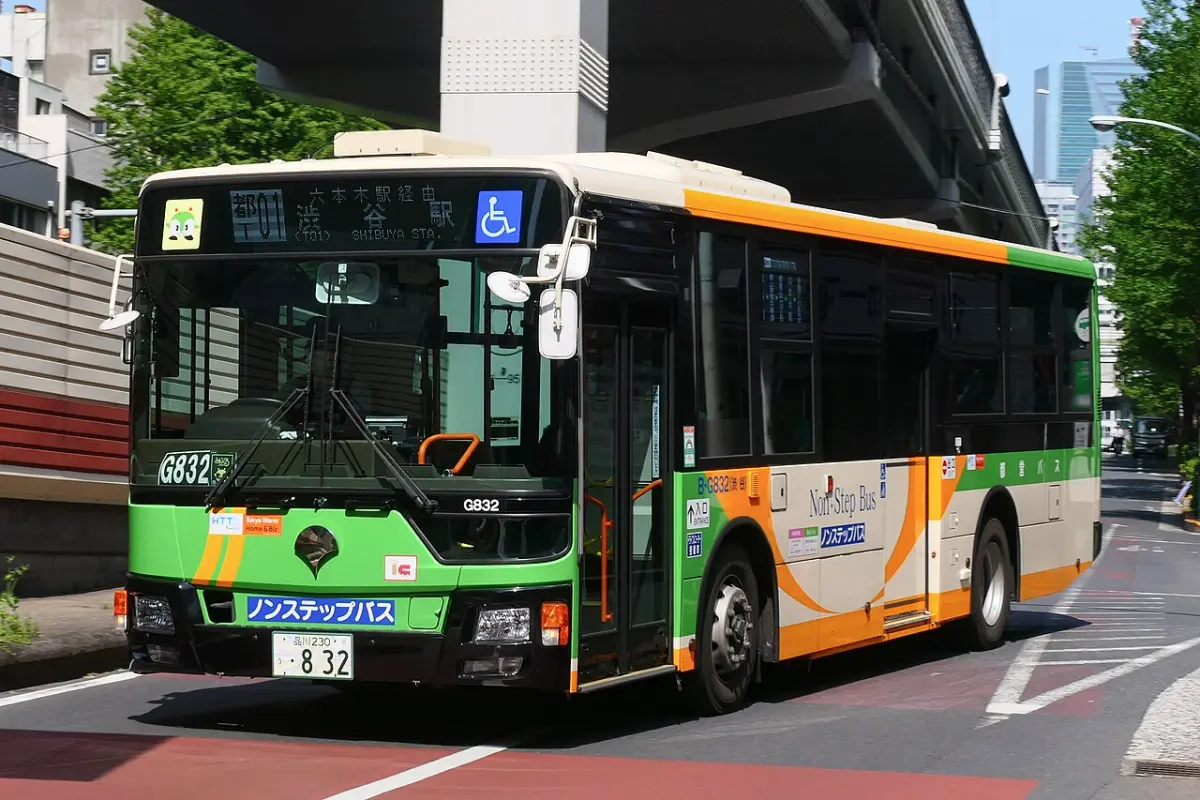
- Buses: tap the reader as the signs on the bus show. Your preschooler rides with you.
- Shinkansen and airport expresses: a Suica card alone usually isn’t your complete ticket. Anyone 6 and up needs the right ticket (child fares for ages 6–11). Preschoolers ride free without their own seat, but if you want a reserved seat or Green Car seat just for your preschooler, buy a child ticket for it. Green Car charges are the same for children and adults.
- Disney Resort Line: Suica works, and up to two children under 6 ride free with each paying adult. More in my Tokyo Disney with a toddler guide.
With a stroller, the wide ticket gate is the one to use. My stroller in Japan guide covers elevators and rush hour. For the ride in from the airport, see my Narita and Haneda to your hotel guide, which has family-of-four fares for each route.
FAQ from parents
“Can my 4-year-old have her own Suica so she can tap like her big brother?” You can buy one (child Suica cards are sold before a child starts school), but every tap will charge a child fare for a ride that would otherwise be free. Most families skip it.
“We’re a family of five with three kids under 6. Do we pay for anyone?” With two adults, no: each adult can take two preschoolers free. One adult alone with three preschoolers pays one child fare.
“Can I use one Suica for the whole family?” No. One card pays for one person per trip through the gate. Each person 6 and up needs their own card or ticket.
“My son turns 12 next month. Which card?” Ask at the JR EAST Travel Service Center with his passport. The child card’s validity and the fare age follow Japan’s March 31 school-year rule, and staff will set the right type.
“Can I get the leftover money back?” Not from Welcome Suica or TOURIST PASMO. Spend it down at convenience stores before you fly, or keep the card as a souvenir.
“Can I top up with my credit card?” Not a Welcome Suica card: cash only. Keep some ¥1,000 notes handy.
Before you go: Suica for kids checklist
- Write down each child’s age on your travel dates. Under 6: no card. 6–11: child card. Exactly 6 or 12: ask at the counter.
- Pack the kids’ passports in your day bag on arrival day. You need them to buy a child card.
- Pick where you’ll buy: Narita station, Haneda Terminal 3 (Monorail), Haneda Keikyu (TOURIST PASMO), or a big JR station in the city.
- Bring yen in ¥1,000 notes for top-ups.
- Keep the reference paper with each child’s card, in a zip bag or phone case.
- Don’t use credit-card tap for the kids. It charges adult fares.
- Spend the balance down in your last two days. There’s no refund.
Ramen Dad’s note: The one rule I’d pass on: never use credit-card tap for the kids. It charges adult fares.
Fare rules, card prices and sales locations checked against JR East, PASMO and Tokyo Metro official pages on October 9, 2026. Sales locations change, so check the Welcome Suica page before you fly.