Disclosure: Some links in this article are affiliate links. If you book through them, I may earn a small commission at no extra cost to you. Every fare rule below comes from the operators' own websites, checked on October 10, 2026.
Dollar amounts are approximate at $1 ≈ ¥158 (October 2026). You pay in yen.
If you're planning a Japan trip, transport is one of the few places where kids can save you real money. Japan's **child fare** rules are generous: most children under 6 ride trains and city buses free, and children 6 to 11 pay about half. But a few exceptions can catch visiting families off guard, like what happens with a third toddler, a preschooler who needs their own reserved Shinkansen seat, or a 12-year-old who is still in elementary school.I’m a Tokyo dad, and my daughter has ridden trains, buses and taxis here since she was a baby. This guide puts the Japanese rules from JR East, Tokyo Metro, Toei Bus, Keikyu, the Tokyo Monorail and the Airport Limousine Bus into one place, checked on October 10, 2026.
Ramen Dad’s note: When my daughter started elementary school and moved to child fares, our routine changed a little. That switch is the main thing to understand here.
Quick answer: Japan child fare rules
| Question | Answer (checked October 10, 2026) |
|---|---|
| Who rides free? | Babies under 1, and kids 1–5 traveling with a paying adult or child |
| How many free kids per adult? | Two preschoolers per paying passenger on JR East, Tokyo Metro, Toei Bus, Keikyu and the Tokyo Monorail |
| When does the child fare start? | Age 6 (with a school-year exception, below) |
| How much is a child fare? | About half the adult fare |
| When does the adult fare start? | Age 12 (a 12-year-old still in elementary school pays the child fare) |
| Shinkansen and reserved-seat expresses? | Under-6s are free on your lap. Their own reserved seat needs a child ticket |
| Airport Limousine Bus? | Under-6s free if they don’t use a seat; ages 6–11 pay half |
| Taxis? | No child fares. You pay per car, by the meter or a flat fare |
| Credit-card tap at the gate? | Tokyo Metro’s tap-to-ride charges adult fares only, so don’t use it for kids |
These ages are a quick guide. If your child is exactly 6 or 12 during the trip, read the school-year section before buying anything.
Japan’s four fare ages
Japanese railways and city buses sort passengers into four groups. Here’s how Tokyo Metro puts it on its English page (Fares According to Age), and JR East’s Japanese rules match (JR East: adults and children):
| Group | Age | What they pay |
|---|---|---|
| Infant | Under 1 | Free |
| Toddler / preschooler | 1–5 | Free with a paying adult or child, up to two each |
| Child | 6–11 | Child fare, about half the adult fare |
| Adult | 12 and up | Adult fare |
The “two free per passenger” rule
Up to two preschoolers ride free with each paying adult or paying child. The third one pays a child fare. Toei Bus’s own leaflet gives worked examples (Toei Bus stroller guide, PDF, Japanese):
- 1 adult + 2 preschoolers = 1 adult fare
- 1 adult + 1 child (6–11) + 4 preschoolers = 1 adult fare + 1 child fare (the paying child covers two of the little ones)
- 2 preschoolers riding on their own = 2 child fares
Two preschoolers can also ride free with one 6–11-year-old who pays a child fare. Keikyu, the line from Haneda Airport, states the same two-child limit (Keikyu tickets, Japanese), and so does the Tokyo Monorail (Tokyo Monorail ticket types).
For most families, two paying adults can bring up to four preschoolers at no additional fare on local trains and city buses.
How “half” is calculated
Child fares are half the adult fare, rounded by each operator’s rule. On Tokyo Metro, a paper ticket rounds up to the nearest ¥10, and an IC card rounds down to the nearest ¥1:
| Tokyo Metro distance | Adult ticket / IC | Child ticket / IC |
|---|---|---|
| 1–6 km | ¥180 / ¥178 | ¥90 / ¥89 |
| 7–11 km | ¥210 / ¥209 | ¥110 / ¥104 |
| 12–19 km | ¥260 / ¥252 | ¥130 / ¥126 |
| 20–27 km | ¥300 / ¥293 | ¥150 / ¥146 |
Tokyo Metro fares. Because the rounding differs, JR East notes that a child IC fare can occasionally be a few yen higher than a paper child ticket for the same trip. It’s rarely worth worrying about.
The school-year rule: why 6 and 12 are tricky
Japan ties the fare ages to the Japanese school year, which starts on April 1:
- A 6-year-old who hasn’t started elementary school still counts as a preschooler (free).
- A 12-year-old still in elementary school still pays the child fare.
These exceptions are based on the Japanese elementary school system, not simply a child’s birthday. JR East defines “elementary school” as a school under Japan’s school system, so if your 6- or 12-year-old attends school outside Japan, don’t assume their U.S. grade decides the fare. A passport shows age, not school status. For most visiting families, plain age is the practical guide: under 6 free, 6–11 child, 12 and up adult. If your child is exactly 6 or 12 on the trip, ask the train operator at a staffed ticket office which fare applies before you buy a child IC card or a reserved seat.
Ramen Dad’s note: As a Japanese parent, I think the school-year rule is the one to get right. A 6-year-old who hasn’t started school still rides free.
Trains: local lines, subways and IC cards
On local trains and subways, the system is simple:
- Under 6: walk through the gate with you. No ticket, no card. With a stroller, use the wide gate (my stroller or carrier in Japan guide covers elevators and rush hour).
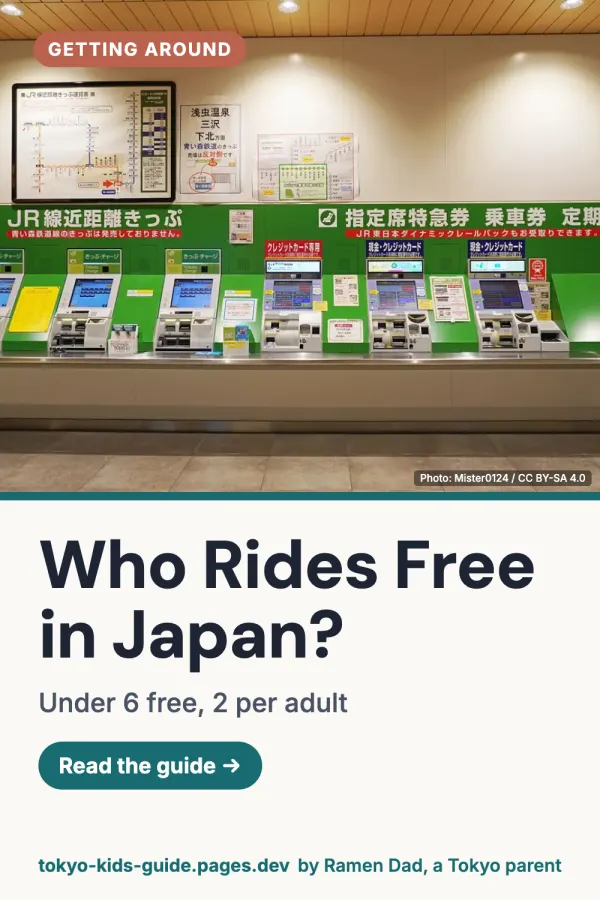
- 6–11: needs a child ticket or a child IC card. An adult Suica or PASMO charges adult fares, and you can’t switch it to child mode at the gate.
- 12 and up: adult ticket or card.
Visitors can buy a child Welcome Suica or TOURIST PASMO with the child’s passport. Both have no deposit and are valid for 28 days from the purchase date (Welcome Suica, TOURIST PASMO). Unused balances aren’t refunded, so don’t load much more than you expect to spend. Sales locations differ between the two cards, so check before you land. My Suica for kids guide covers where to buy them and which airport counter is closest.
Avoid two common mistakes:
- Tapping a credit card for a child. Tokyo Metro’s contactless tap-to-ride has no child fare, so a child using it pays the adult fare.
- Buying a card for a toddler. A child IC card charges a child fare every time it’s tapped, even for a 4-year-old who would otherwise ride free.
Subway passes
The Tokyo Subway Ticket (Tokyo Metro and Toei Subway lines only) has half-price child versions: ¥500 / ¥750 / ¥1,000 (≈$3 / $5 / $6) for 24, 48 and 72 hours, against ¥1,000 / ¥1,500 / ¥2,000 for adults (official page). Preschoolers don’t need one. It doesn’t cover JR lines like the Yamanote Line. Tokyo Metro also sells a QR-code version you keep on your phone, at the same prices.
Is it worth it? At the 7–11 km IC fares above (¥209 adult, ¥104 child), a 24-hour ticket pays off at about five subway rides in one day. If you’re mostly riding JR trains, or making only two or three short subway trips, paying per ride is usually cheaper. Check your planned routes first.
If your days are subway-heavy, you can compare Tokyo Subway Ticket options before you fly. Check the child price and how you collect the ticket.
See the Tokyo Subway Ticket on Klook ↗Affiliate link. Prices and availability can change.
---Shinkansen and reserved-seat expresses
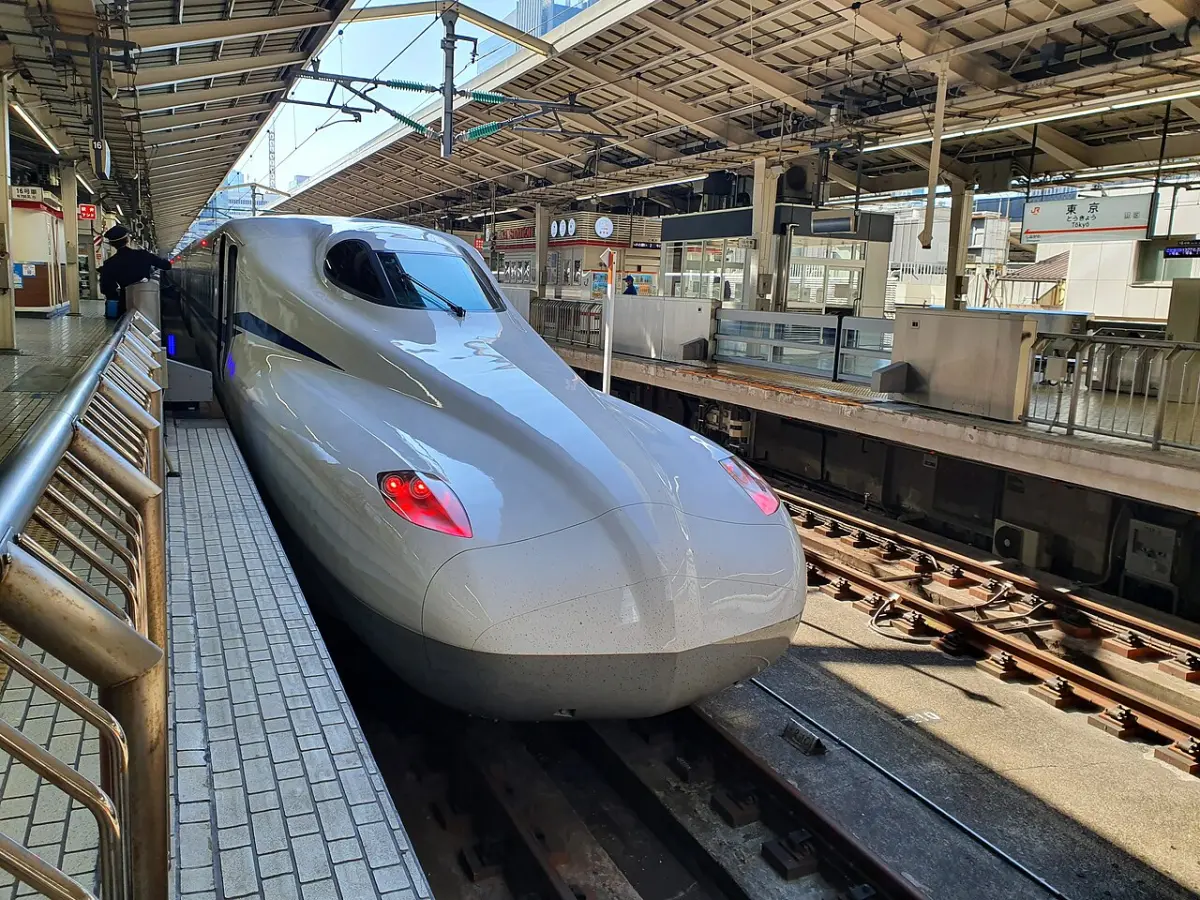
Long-distance and airport express trains follow the same ages, but seats change things. Under JR East’s rules, a preschooler needs a child ticket when they:
- Are the third (or more) preschooler with one paying passenger.
- Take a reserved seat or Green Car seat of their own (unreserved Green Car seats excepted).
- Travel alone.
So a 3-year-old on your lap on the Narita Express or the Shinkansen is free. A free ride doesn’t come with a seat, though: on a crowded train, plan to keep them on your lap. If you’d rather they had their own reserved seat, buy a child ticket. On the Narita Express, children 6–11 pay half for both the fare and the limited express ticket, but Green Car charges are the same for kids and adults (JR East: N’EX tickets).
Other reserved-seat trains, such as the Keisei Skyliner and private-railway limited expresses, set their own details. Tokyo Metro, for example, says preschoolers need both a child fare and a limited express ticket on its limited express trains. When in doubt, ask at the ticket counter before you board.
For seats, strollers and the 160 cm luggage rule, see my Shinkansen with kids guide.
Ramen Dad’s note: We’ve bought my preschooler her own seat on reserved trains. A free ride doesn’t come with a seat, so decide lap or seat in advance.
City buses and airport buses
Tokyo city buses (Toei Bus)
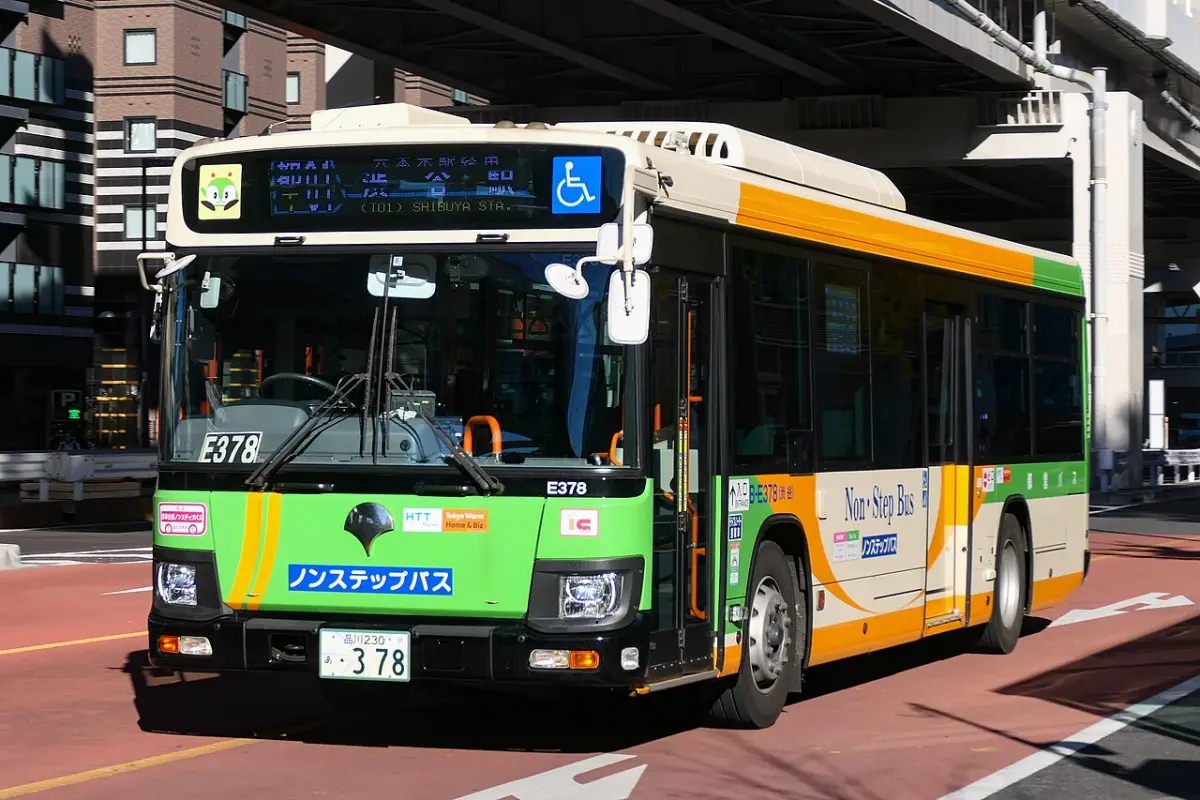
City buses use the same four age groups. Toei’s leaflet lists, for its flat-fare routes inside the 23 wards, ¥210 for adults and ¥110 for children (≈$1.30 / $0.70), with up to two preschoolers free per paying passenger. The leaflet is dated April 2022 and tells riders to check Toei’s website for current fares (Toei Bus guide, PDF).
If you pay with IC cards, the simplest setup is one card per paying person: an adult card for each adult and a child card for each 6–11-year-old.
Strollers: each Toei bus has two spaces where a stroller is strapped in. If both are taken, or the bus is crowded, you’ll be asked to fold it or wait for the next bus. The wheelchair ramp isn’t used for strollers, but drivers will help if lifting is hard.
Airport Limousine Bus
The Airport Limousine Bus has a slightly different rule (Limousine Bus terms):
- Under 6: free if they don’t use a seat. If they take their own seat, you generally pay the child fare.
- 6–11 (and 12-year-olds still in elementary school): half the adult fare.
- The page doesn’t state a limit on how many free preschoolers one adult can bring.
- These rules apply to buses run by Airport Limousine itself. The page notes that jointly operated partner buses may handle things differently, so check with the bus company when booking.
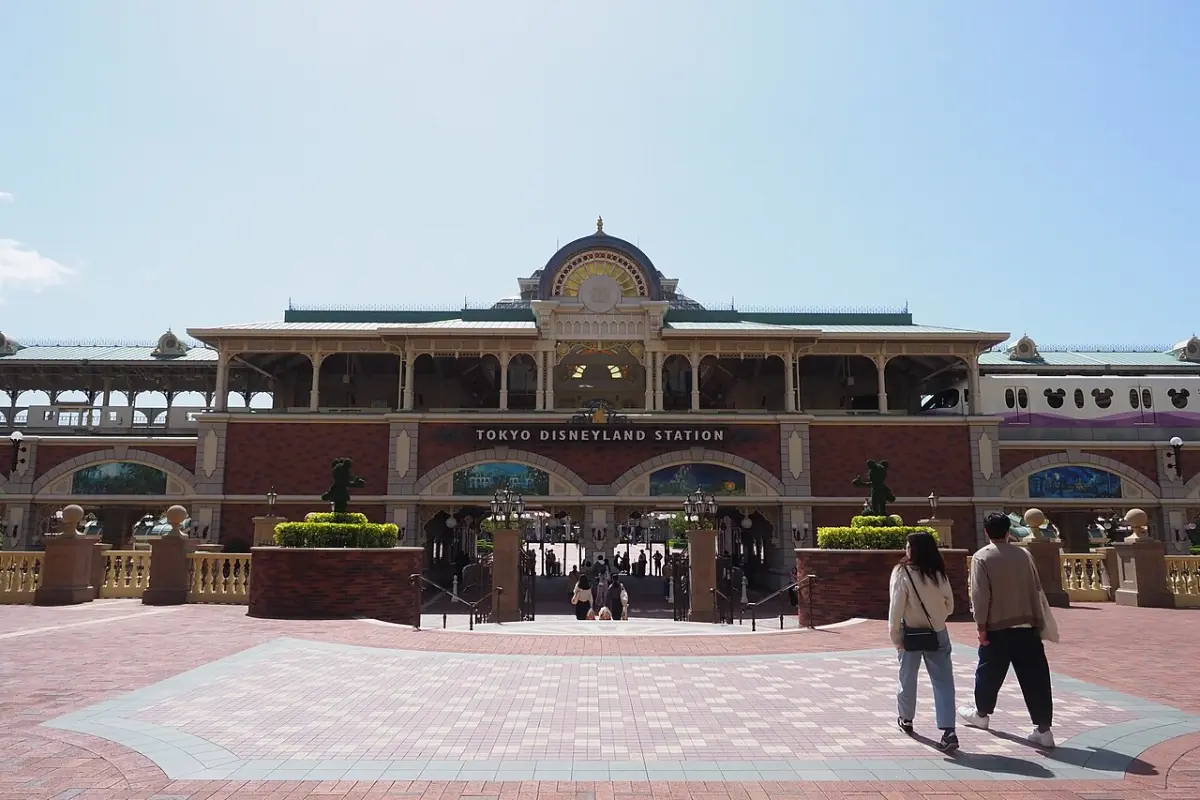
Example: Haneda to Tokyo Disney Resort is ¥1,300 adult and ¥650 child. On a longer ride, paying for a separate seat may be more comfortable for an older preschooler. Book online if you want a seat for everyone, since a full bus doesn’t take standing passengers.
Taxis: no child fares (and what that means for families)
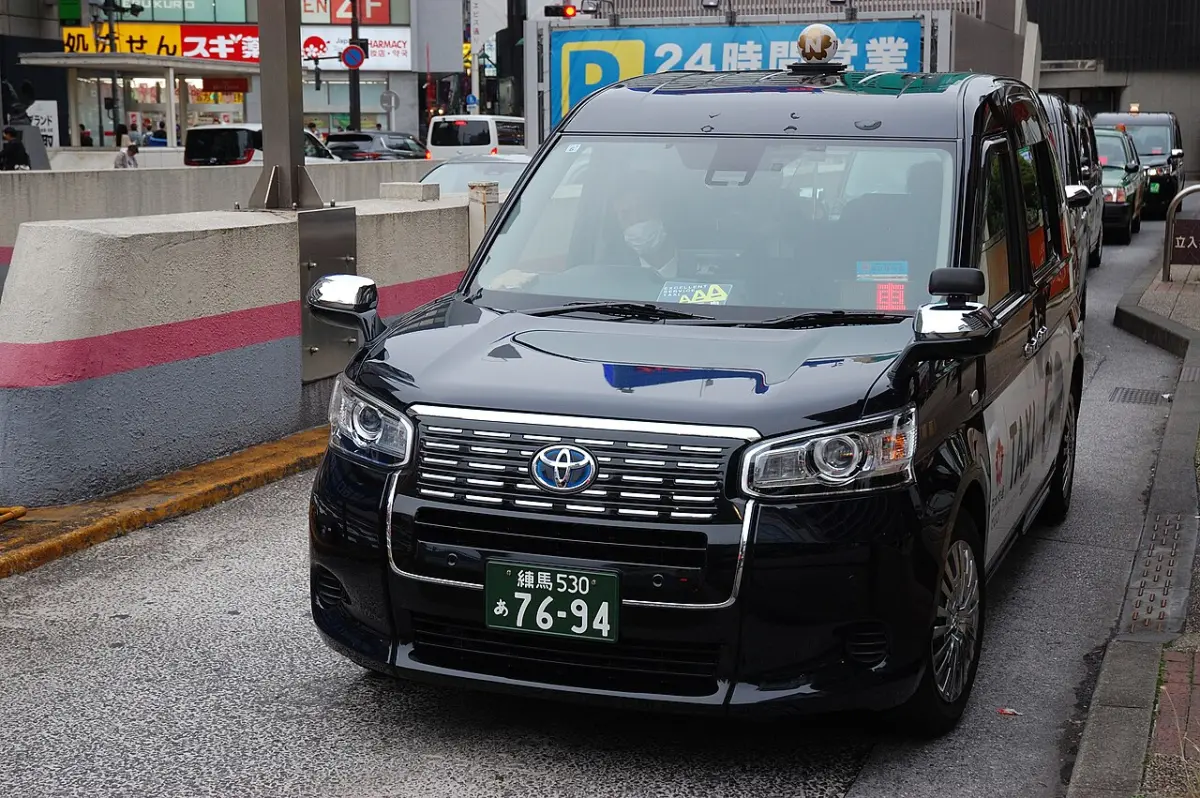
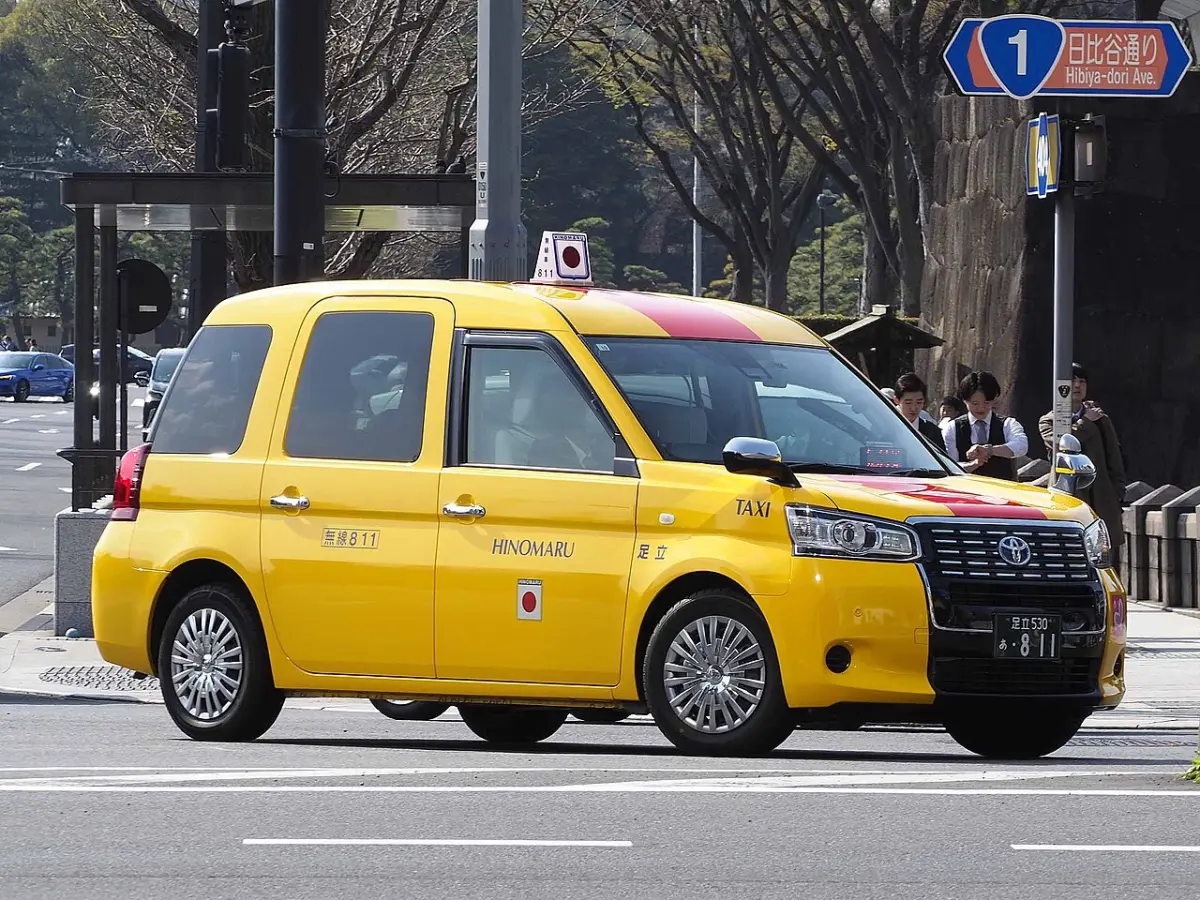
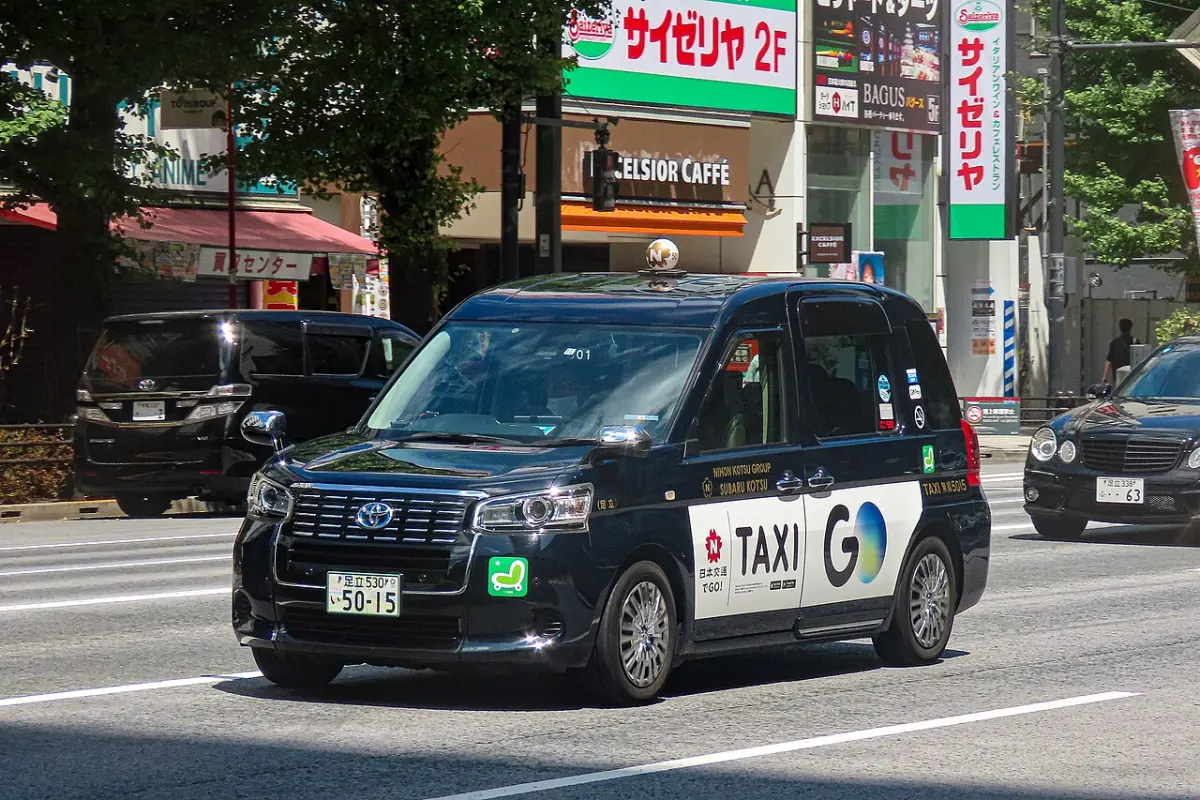
Japanese taxis don’t price by passenger. You pay for the car, by distance and time. In central Tokyo, the meter rates changed on April 20, 2026: a standard taxi now starts at ¥500 for the first 1.0 km, plus ¥100 per 232 m, under the maximum fare set by the regional transport bureau (Kanto District Transport Bureau, PDF, Japanese). Nihon Kotsu, Tokyo’s largest taxi company, lists the same rates plus a 20% late-night surcharge from 10 p.m. to 5 a.m. (Nihon Kotsu).
What that means for kids:
- Kids ride at no extra cost. A family of four pays the same as one adult for the same trip. Free doesn’t mean unlimited, though: everyone needs a proper seat, and a standard taxi may not fit your family, car seats and luggage.
- Some very short trips can be competitive with the train. The first kilometer is ¥500 per car. Two adults and two kids aged 6–11 would pay ¥534 in IC fares for the shortest Tokyo Metro ride. Traffic and longer distances change that quickly, so compare your family’s total train fare with the estimated taxi fare.
- Passenger capacity matters more than age-based fares. Standard Tokyo taxis take up to four passengers. For five or more, or lots of luggage, ask for a larger car. Nihon Kotsu’s wagon taxi seats up to six for a ¥2,000 fee, booked 48 hours ahead (Nihon Kotsu wagon, Japanese).
- Car seats: Japanese law exempts taxis from the child car seat requirement, but the exemption is a legal rule, not safety advice. My car seat laws in Japan guide explains the options.
From Haneda, flat taxi fares to many central wards are set per car (Shinjuku ¥9,000, Shibuya ¥8,500, plus tolls), which can be good value for a family. My Narita and Haneda to your hotel guide compares them with trains and buses.
Family of four: what you actually pay
Example: 2 adults, a 7-year-old and a 3-year-old. These are separate sample trips, not a suggested itinerary. The 3-year-old rides free without a reserved seat where the rules allow it. Your actual fares depend on your route and travel date.
| Trip | Who pays | Family total |
|---|---|---|
| Tokyo Metro ride, 7–11 km, IC card | 2 adults + 1 child; the 3-year-old is free | ¥522 (≈$3) |
| Four such rides in a day | Same | about ¥2,088 (≈$13) |
| Haneda T3 → Hamamatsucho, Tokyo Monorail (paper tickets) | ¥520 × 2 + ¥260 | ¥1,300 (≈$8) |
| Haneda → Tokyo Disney Resort, Limousine Bus (3-year-old on a lap) | ¥1,300 × 2 + ¥650 | ¥3,250 (≈$21) |
| Same bus, 3-year-old in their own seat | + one more child fare | ¥3,900 (≈$25) |
| Haneda → Shinjuku taxi, daytime flat fare | Per car | ¥9,000 (≈$57) + tolls |
Your real daily cost depends on your routes. To estimate, count each person’s rides: adults at full fare, ages 6–11 at half, under-6s at zero.
Now change one thing: if your younger child is 6 instead of 3, they move to child fares on trains and buses, and you’ll want a second child IC card. If you have three kids under 6 and only one parent rides with them, one of the three pays a child fare.
Ramen Dad’s note: We have our own way of mixing trains and taxis around Tokyo. To estimate yours, count rides: adults full fare, ages 6 to 11 half, under-6s zero.
FAQ from parents
“My daughter is 5 but tall. Will staff ask for proof?” It isn’t common to be questioned at a local gate, but carry the kids’ passports anyway. You need them to buy child IC cards, and they settle any question at a ticket office.
“We have three kids under 6 and two parents. Do we pay anything on local trains?” No. Each paying adult covers two preschoolers, so two adults cover up to four.
“Does my baby need a ticket on the Shinkansen?” Not on your lap. If you want a reserved seat just for the baby, you buy a child ticket for it.
“Is there a family discount on the subway?” Not as a standard fare. The savings come from free under-6s and half-price kids. Passes like the Tokyo Subway Ticket have child versions.
“What if my child turns 6 or 12 during the trip?” Fares follow the age (and school-year rule) on the day of travel. If a birthday falls mid-trip, ask at a staffed ticket office which fare and which card type to use.
“Are taxis cheaper than trains for a family?” Sometimes, for short rides with three or four people. Taxis charge per car, so the more people you have, the better they compare. Traffic and late-night surcharges change the math.
Before you go: child fare checklist
- Write down each child’s age on your travel dates. Under 6: free. 6–11: child fare. 12+: adult. Exactly 6 or 12: ask at a ticket office.
- Count preschoolers per paying passenger. Two each ride free; the third pays.
- Get a child IC card for each child who pays child fares, with the child’s passport in hand. Ask station staff if your child is 6 or 12.
- Don’t use credit-card tap for kids. It charges adult fares.
- Decide lap or seat for each preschooler on the Shinkansen, airport expresses and the Limousine Bus.
- Plan a larger taxi if you’re five or more, or have lots of luggage.
- Keep the kids’ passports handy when you buy child IC cards or age-based tickets. After buying, check what you need to carry while riding, such as the TOURIST PASMO reference paper.
Ramen Dad’s note: If you remember one thing: don’t use credit-card tap for the kids. It charges adult fares.
Fare rules checked against JR East, Tokyo Metro, Toei Bus, Keikyu, Tokyo Monorail, Airport Limousine Bus, Nihon Kotsu and Kanto District Transport Bureau pages on October 10, 2026. Fares change, so confirm on the operator’s site for your travel date. The examples here are Tokyo-area operators; other railways, local buses and special services across Japan set their own rules, so check the operator’s page when you travel outside Tokyo.