Disclosure: Some links in this article are affiliate links. If you book through them, I may earn a small commission at no extra cost to you. The legal text below comes from Japan's Road Traffic Act and its enforcement order (e-Gov, in Japanese), with police and transport ministry pages, checked on October 9, 2026.
Dollar amounts are approximate at $1 ≈ ¥158 (October 2026). You pay in yen.
"Do we need a car seat in a Tokyo taxi?" is one of the most common questions parents ask before a Japan trip, and the answers online contradict each other. The short version: **Japan's car seat law covers children under 6, but taxis and buses are exempt.** Rental cars and friends' cars are not.I’m a Tokyo dad with a daughter in second grade, and I’ve done the car seat routine in rental cars, relatives’ cars and the occasional taxi. This guide goes back to the actual Japanese law text (the Road Traffic Act and its enforcement order), plus pages from the National Police Agency, the Tokyo police and the transport ministry. Everything was checked on October 9, 2026.
This is a plain-English summary for travelers, not legal advice.
Ramen Dad’s note: When my daughter was little, we took taxis with her. Decide before the trip whether you’ll bring a seat or take the train, so you’re not deciding at the taxi rank.
Quick answer
| Situation | Car seat required by law? (checked October 9, 2026) |
|---|---|
| Rental car or private car, child under 6 | Yes, the driver must use one |
| Taxi (including taxis booked through an app like Uber) | No, licensed taxis are exempt |
| Hire car / pre-booked airport transfer run by a licensed operator | No, same exemption |
| Buses (airport limousine, city buses) | No, same exemption |
| Child 6 or older | Not required, but the rear seat belt is. Police advise a booster if the belt doesn’t fit |
| Nursing or caring for a baby in a private car | Exempt while someone else is feeding or caring for them |
| Penalty for the driver | 1 point on the driver’s record |
| What makes a seat legal | It must meet Japan’s standard; seats sold here carry an E mark |
| Rental car seat price | Nippon Rent-A-Car: ¥1,100 (≈$7) per seat, per rental |
Important: the taxi exemption is a legal rule, not a safety recommendation. A properly fitted child seat is the safer choice for every car ride, short taxi trips included.
What the law actually says
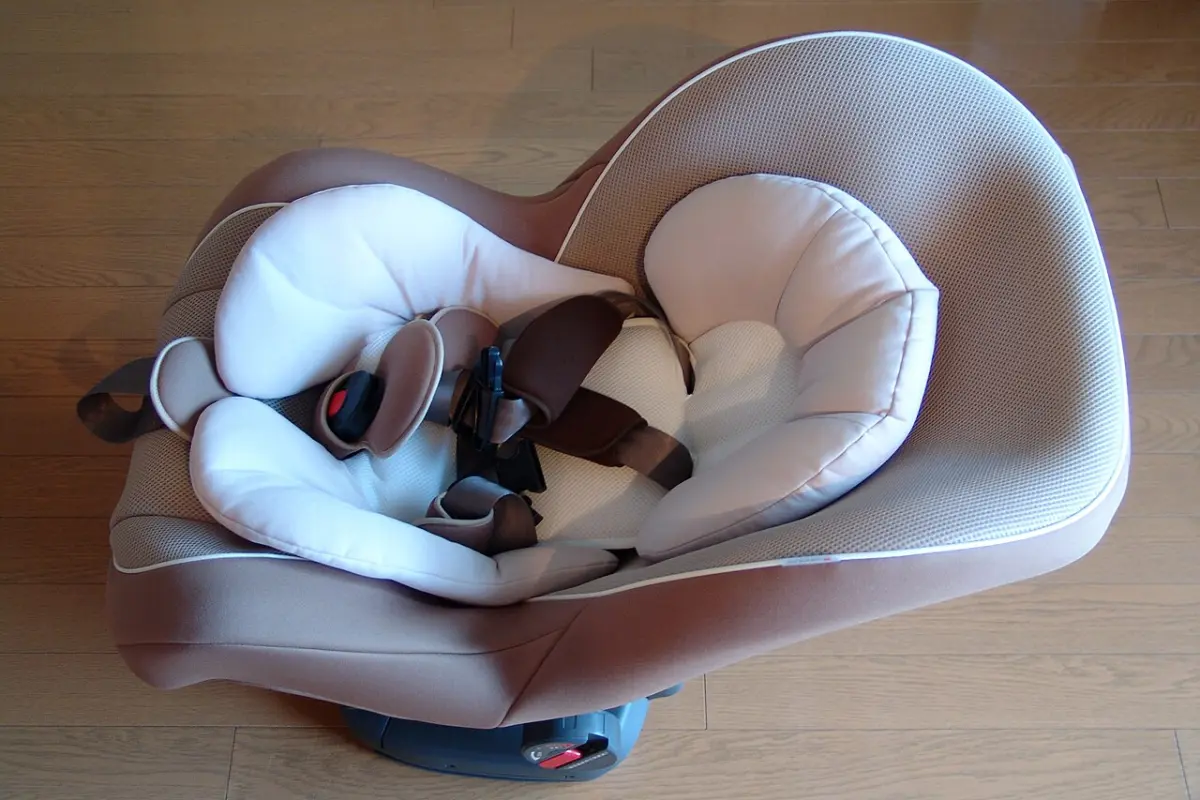
Road Traffic Act, Article 71-3, paragraph 3 says a driver must not drive with a young child (幼児, under 6) who isn’t using a child restraint. The law defines that restraint as a device fixed to the seat in place of the seat belt, that meets Japan’s vehicle safety rules and fits the child’s size.
The National Police Agency puts it plainly: drivers must not carry a child under 6 who isn’t in a car seat. National Police Agency: child seats (Japanese)
The duty is on the driver, not the parent. Breaking it is a 1-point violation on the driver’s record, according to the Tokyo Metropolitan Police’s points table.
The exemptions, in plain English
The enforcement order (Article 26-3-2, paragraph 3) lists the cases where a child under 6 can ride without a car seat. The ones that matter to visiting families:
- Taxis, hire cars and buses. A driver of a vehicle used for a licensed passenger transport business (Japan’s Road Transport Act, Article 3(1): the category that covers taxis, hire cars and buses) carrying a child who is a passenger of that business.
- Some other authorized passenger services under Article 78 of the same act (for example, transport run by local communities), unless the service is for a specific person’s private needs.
- Not enough seats. When more people ride than there are passenger seats and you can’t fit a restraint for every child (within the car’s legal capacity).
- A seat that can’t hold a car seat because of its structure, if no other seat in the car can.
- Feeding or care. When someone other than the driver is nursing or caring for the child in a way that can’t be done with them in the seat.
- Medical reasons and emergencies, including rushing a child to hospital.
Road Traffic Act Enforcement Order, Article 26-3-2 (Japanese, on e-Gov)
What about kids 6 and older?
Once a child turns 6, the car seat duty ends, and the normal rule applies: everyone in a seat with a seat belt must wear it, rear seats included (Article 71-3, paragraph 2). The law makes an exception only for young children too small to wear an adult belt properly.
The National Police Agency adds a recommendation: even at 6 or older, use a child seat if the belt doesn’t fit your child properly. That’s what a booster (called a “junior seat” in Japan) is for.
Ramen Dad’s note: We’ve used a booster seat for my daughter. As the police recommend, keep using one while the seat belt doesn’t fit properly.
Taxis and Uber: legal without a seat, but think it through
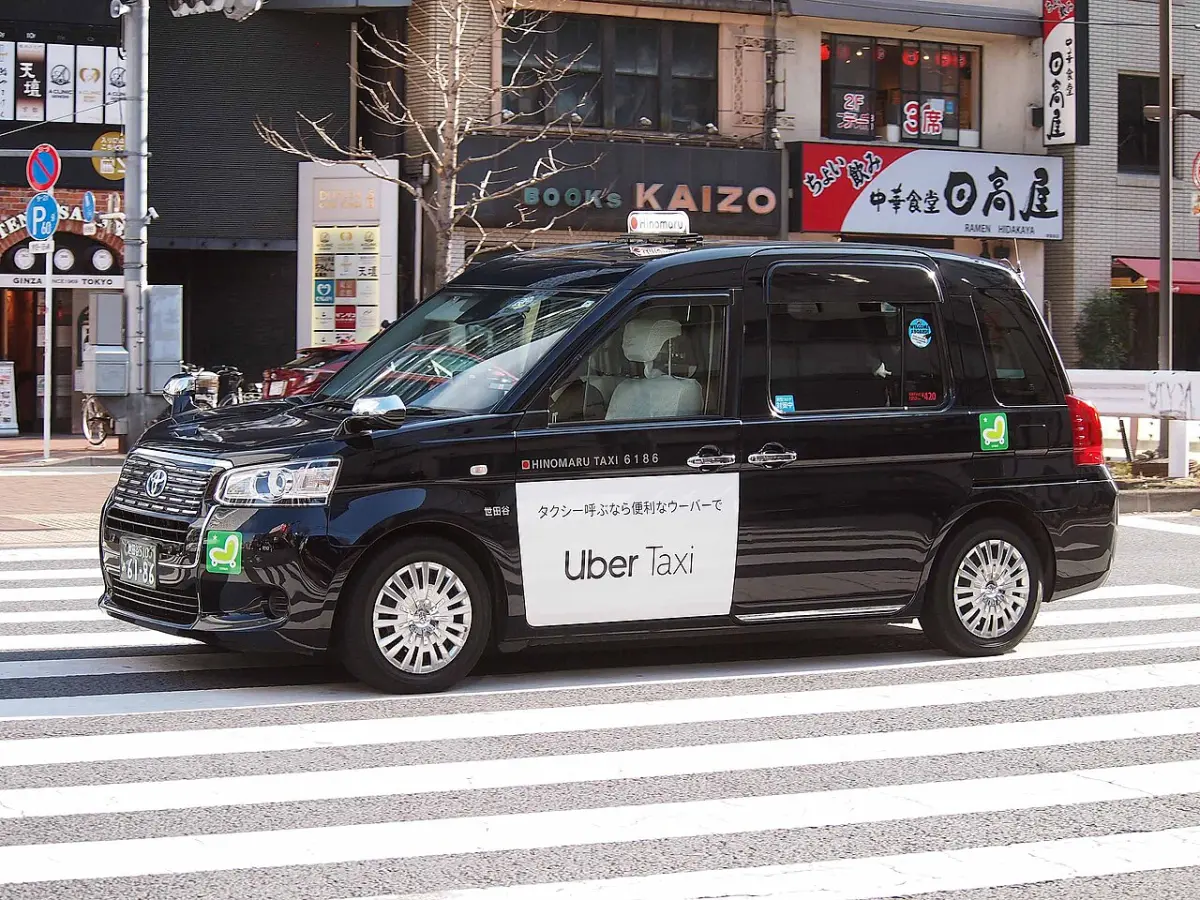
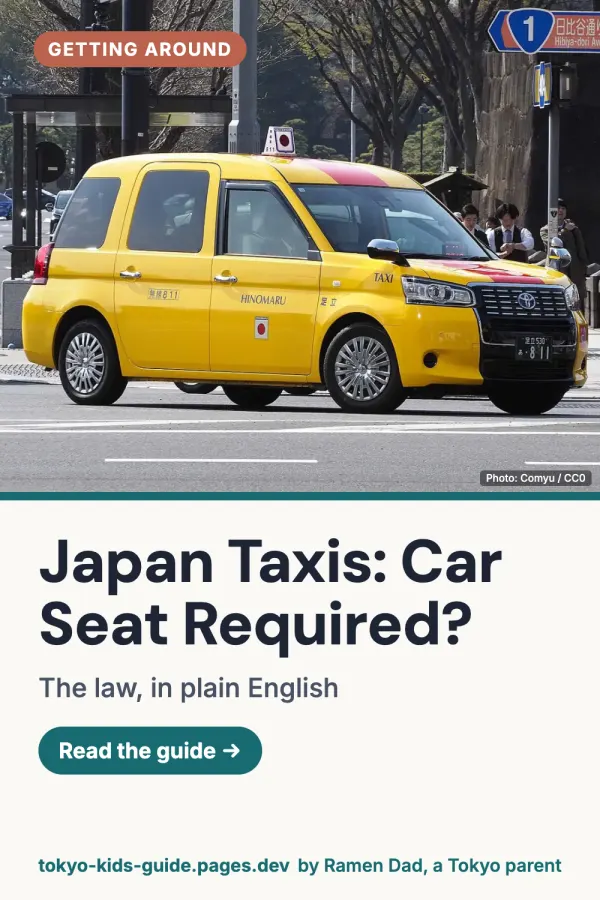
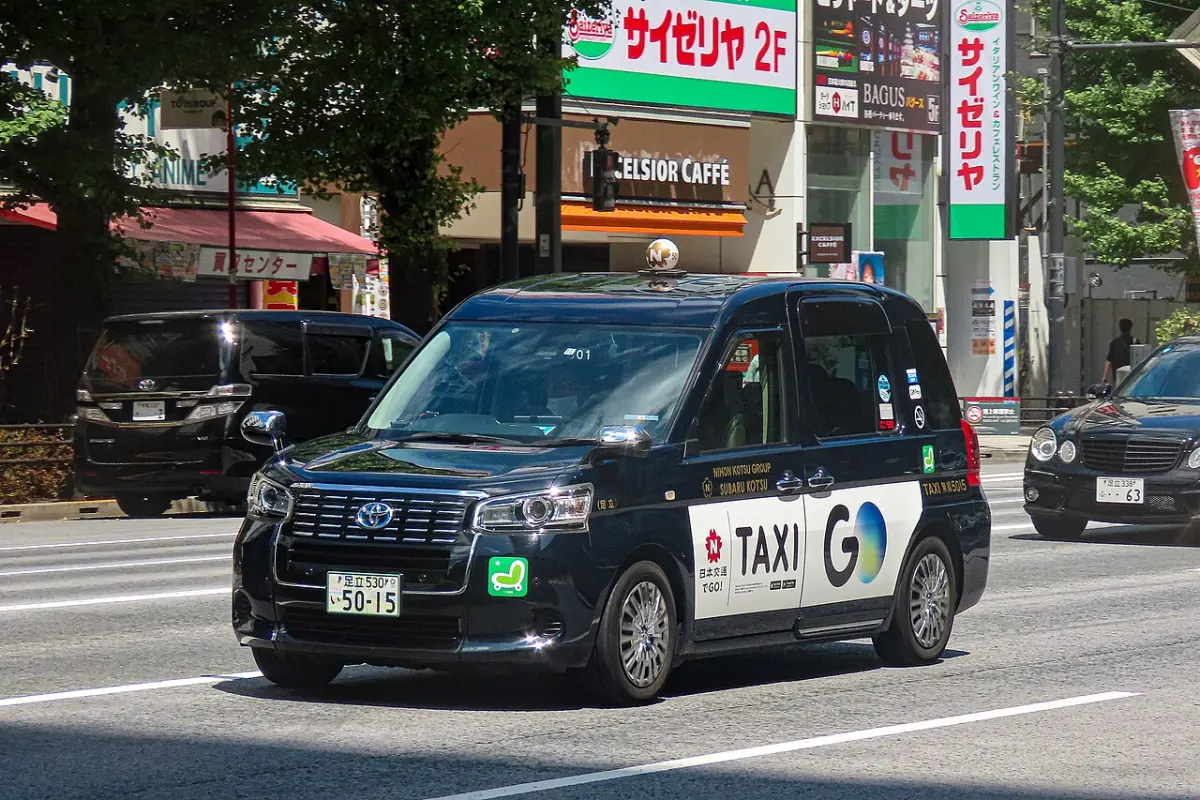
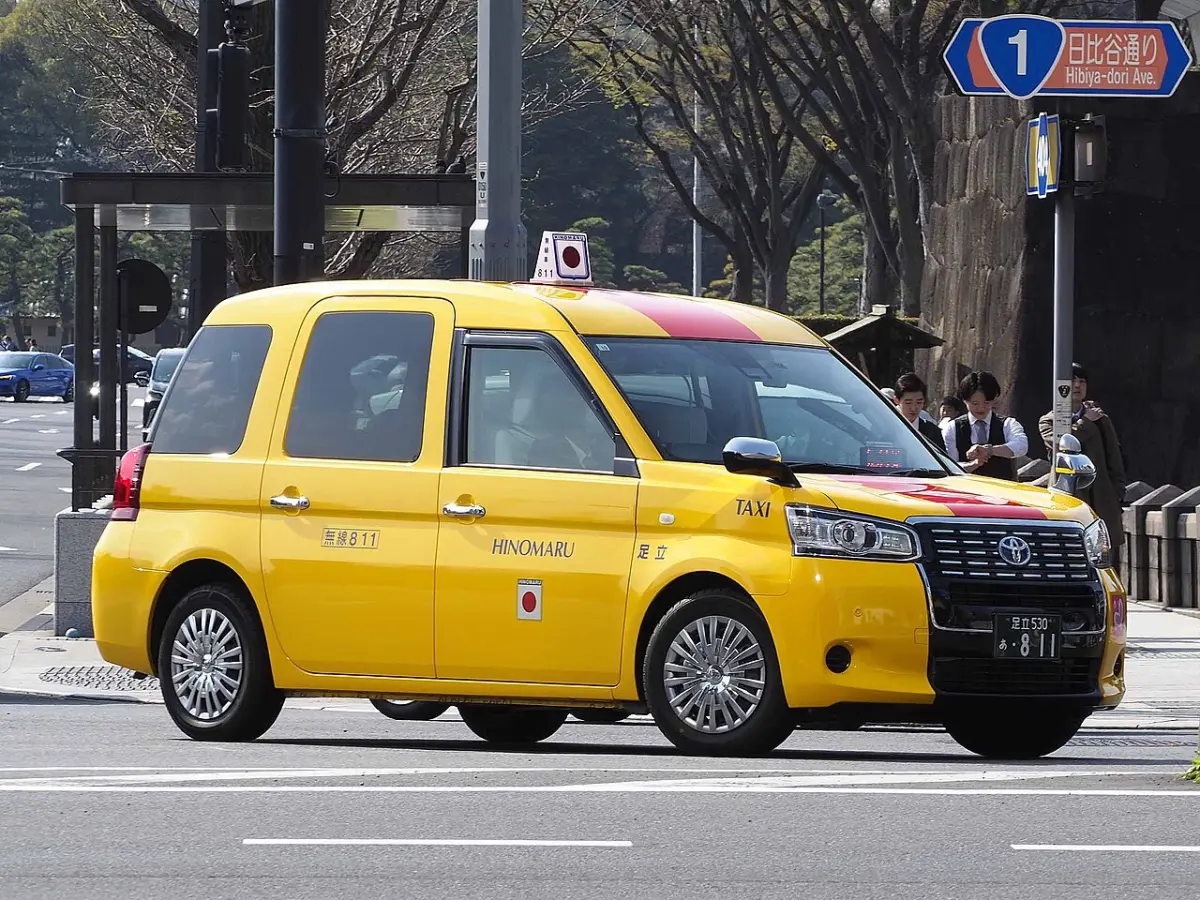
Licensed taxis in Japan are exempt from the car seat requirement, so you’re not legally required to bring a car seat for a taxi ride. Not having one is not a legal violation on your part. But the exemption doesn’t make riding without a child restraint safe. For babies and young children, I’d arrange a properly fitted car seat whenever you can.
Uber in Tokyo offers licensed taxis (Uber Taxi) and premium hire cars. Uber’s Tokyo taxi page says every taxi ride booked in the app is run by a fully licensed taxi driver. Its premium hire-car options are listed as Uber Premier and Premier Van on Uber’s airport pages (some older Uber pages still call them Uber Black and Black Van). These licensed services fall under the same exemption. The exemption depends on the type of service, not on the app, so check which option you’re booking.
Legal isn’t the same as safe, though. Japan’s transport ministry warns that adult seat belts can cause serious neck injuries to small children in a crash, and that riding while holding a child on your lap is very dangerous. It also advises seating children in the back, away from front airbags. National Police Agency figures for 2021 to 2025 show that among children under 6 killed or injured while riding in a car, the death rate for those not in a car seat was about 5.3 times that of children using one correctly (0.56% vs 0.11%).
Practical options for families taking taxis in Tokyo:
- Short city trips: the legal exemption applies whatever the trip length, but even a short ride carries crash risk. If you can’t arrange a suitable car seat, consider taking the train instead.
- Long or fast rides (airport runs, expressways): pre-book a car with a child seat, or bring your own.
- Bring your own seat: a lightweight seat that installs with a lap-and-shoulder belt is the most flexible. Installing it takes one of the rear seats, so a family of four with luggage may need a larger car.
Tokyo taxi fares, for reference: Nihon Kotsu, the biggest operator, charges ¥500 (≈$3) for the first 1 km, then ¥100 per 232 m, with 20% extra from 10 p.m. to 5 a.m. Its fare table lists a ¥500 pick-up fee and a separate ¥500 reservation fee, so ask which apply when you book. A wagon adds ¥2,000.
Ramen Dad’s note: I’ve had the car seat topic come up with Tokyo taxi drivers. Taxis are legally exempt, but that’s a legal rule, not safety advice.
Airport transfers: plan your child’s car seat before you land
The airport ride is the longest car trip most visiting families take, much of it on the expressway. That’s where a car seat matters most.
Options, from most to least control:
- Pre-booked transfer that lists child seats. Some transfer listings let you add a child seat and show the vehicle size. Not every listing offers them, so check each one, and confirm the seat type for your child’s age.
- Bring your own seat and install it in a taxi or transfer car.
- Train or scheduled airport bus instead. You won’t need to arrange a car seat. My Narita and Haneda to your hotel guide compares every route with family-of-four prices.
Before paying for a transfer, confirm the number and type of child seats, your children’s ages, heights and weights, whether the driver installs the seats, and whether the vehicle has room for everyone plus luggage and a stroller once the seats are in. Don’t assume a listing marked “family-friendly” includes a child seat. If the car arrives without a suitable seat, or the seat doesn’t fit your child, you don’t have to take it: the train or airport bus is the fallback.
Compare Narita airport transfers on Klook ↗Affiliate link. Prices and availability can change.
---Rental cars: child seats are required for kids under 6
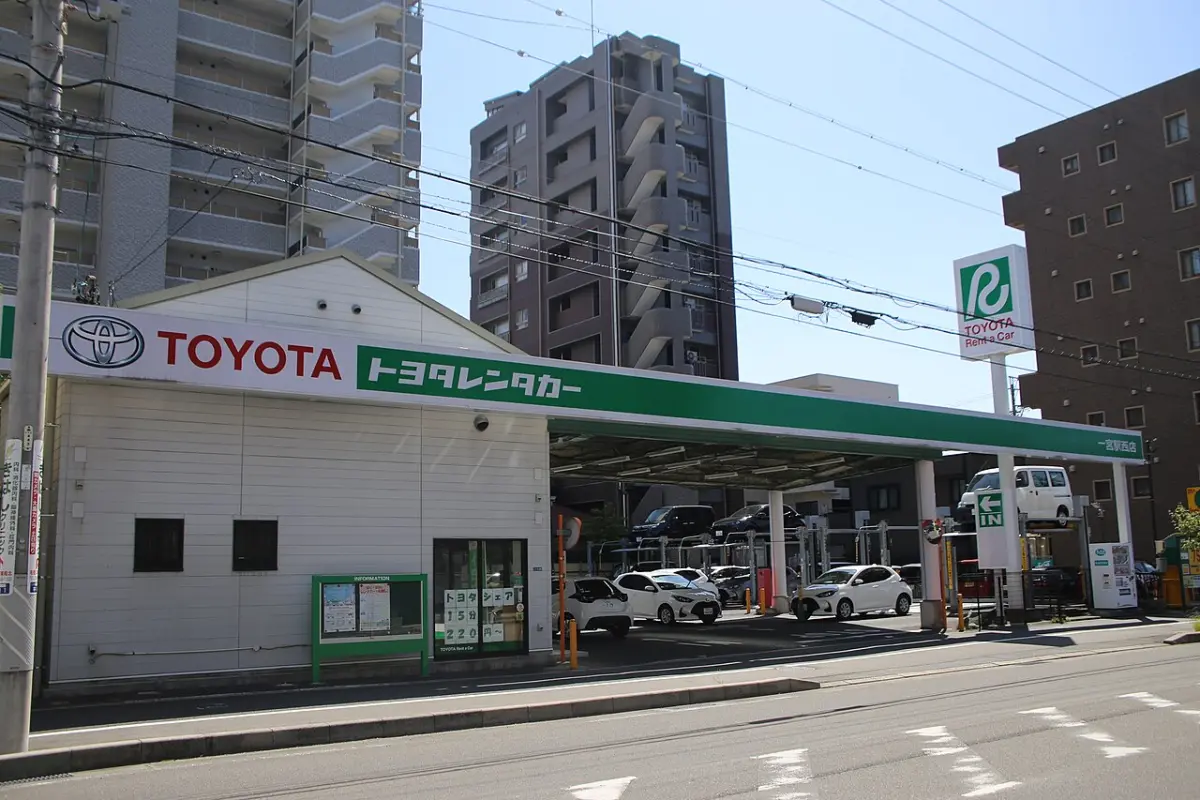
If you drive in Japan with a child under 6, a car seat is the driver’s legal duty, and rental companies rent them as an add-on. Reserve the seat with the car.
Nippon Rent-A-Car’s published options, as an example:
| Seat | For (company’s guide) | Price |
|---|---|---|
| Baby mode (for infants) | About 40–75 cm, up to 15 months, up to 18 kg | ¥1,100 (≈$7) per rental |
| Child mode (same ISOFIX seat, for toddlers) | About 76–105 cm, 16 months to about 4 years, up to 18 kg | ¥1,100 (≈$7) per rental |
| Junior seat (high-back booster) | 100–150 cm, about 3 to 12 years | ¥1,100 (≈$7) per rental |
Choose by size, not just age. The age ranges above are approximate; your child’s height, weight and the seat’s own limits decide which seat fits. Confirm the seat model and how it installs before pickup.
The price is per seat, per rental, not per day. Two notes from the same page: installing child seats reduces how many people the car can take, and ISOFIX seats only fit certain positions, so tell the rental company exactly how many adults, kids and seats you need. Nippon Rent-A-Car child seats (Japanese)
Family of four example: 2 adults, a 2-year-old and a 6-year-old in a rental car. The 2-year-old legally needs a child seat. The 6-year-old doesn’t, but if the adult belt crosses their neck, the police advice is a booster. Two seats at Nippon Rent-A-Car: ¥2,200 (≈$14) for the whole rental.
Visitors also need the right license paperwork to drive in Japan, which depends on your country, so check that before you book the car.
Bringing your own car seat
- Japan’s rule: the law requires a restraint that meets Japan’s vehicle safety rules. The transport ministry says seats that meet the current standard carry an E mark (the UN/ECE approval label), and warns against unlabeled seats sold online, which failed its crash tests.
- Can I use my US car seat in Japan? Japan’s law refers to Japan’s own vehicle safety standard, and the transport ministry points to the E mark as the sign a seat meets it. A US (FMVSS) label alone doesn’t show that. For a rental car, the simplest option is to reserve an approved seat from the rental company. If you want to bring your own, check its compatibility and regulatory status before you travel.
- Cars without ISOFIX: the transport ministry says to use a seat that installs with the seat belt in cars without ISOFIX anchors, and not to use add-on ISOFIX brackets that can’t be confirmed to meet the standard.
- In taxis, the legal question doesn’t arise, since the car seat duty doesn’t apply. Your own seat is purely a safety choice.
- Practical: carrying a car seat through Tokyo’s stations is hard work. If you’ll mostly use trains, many families bring a seat only if they’ve booked car transfers or a rental. My stroller or carrier guide has more on what to haul through the city.
FAQ from parents
“Is it really legal to hold my baby on my lap in a Tokyo taxi?” Legally, yes: licensed taxis are exempt from Japan’s car seat rule. But holding a baby on your lap is not a safe substitute for a car seat, even on a short trip, and the transport ministry calls it very dangerous. If possible, book a car with a suitable infant seat or take the train.
“Does the exemption cover Uber?” In Tokyo, Uber books licensed taxis and premium hire cars, which fall under the same exemption. The exemption follows the type of service, not the app, so if you’re unsure what kind of car is coming, ask, or bring a seat.
“My kids are 5 and 7. What do we need in a rental car?” A car seat for the 5-year-old (legally required). The 7-year-old needs a seat belt; a booster is recommended if the belt doesn’t fit.
“What happens if we’re stopped without one?” The driver gets a 1-point violation. More importantly, a properly fitted car seat helps protect your child if a crash happens.
“Can a friend in Tokyo pick us up without a car seat?” Not legally, if your child is under 6. That’s a private car, so the exemption doesn’t apply.
“Do airport limousine buses have child seats?” Buses are exempt from the car seat rule. Your child sits in their own seat or, if under the age for a ticket, on your lap according to the bus company’s rules.
Before you go: car seat checklist
- List every car ride on your trip: airport transfer, taxis, rental car, a friend’s car.
- Rental car or private car with an under-6? A car seat is required. Reserve one with the rental.
- Airport transfer by car? Book one that lists child seats, or bring your own seat.
- Check your seat’s label if you’re bringing one; Japan’s standard seats carry an E mark.
- Plan for space: each car seat takes a rear seat. Count seats against people and suitcases.
- Think about a booster for kids 6+ whose seat belt crosses the neck.
- For taxi rides, decide in advance whether you’ll bring a seat or take the train, so you’re not deciding at the taxi rank.
Ramen Dad’s note: If you remember one thing: count car seats against rear seats and suitcases. That’s what decides the size of car you need.
Legal text checked against the Road Traffic Act (Article 71-3) and its Enforcement Order (Article 26-3-2) on e-Gov, with National Police Agency, Tokyo Metropolitan Police and Ministry of Land, Infrastructure, Transport and Tourism pages, on October 9, 2026. Rental prices from Nippon Rent-A-Car’s official site. This is general information, not legal advice.