Disclosure: Some links in this article are affiliate links. If you book through them, I may earn a small commission at no extra cost to you. Facility details come from JR East, its official JRE Media site and the station malls' own pages, checked on October 10, 2026.
Dollar amounts are approximate at $1 ≈ ¥158 (October 2026). You pay in yen.
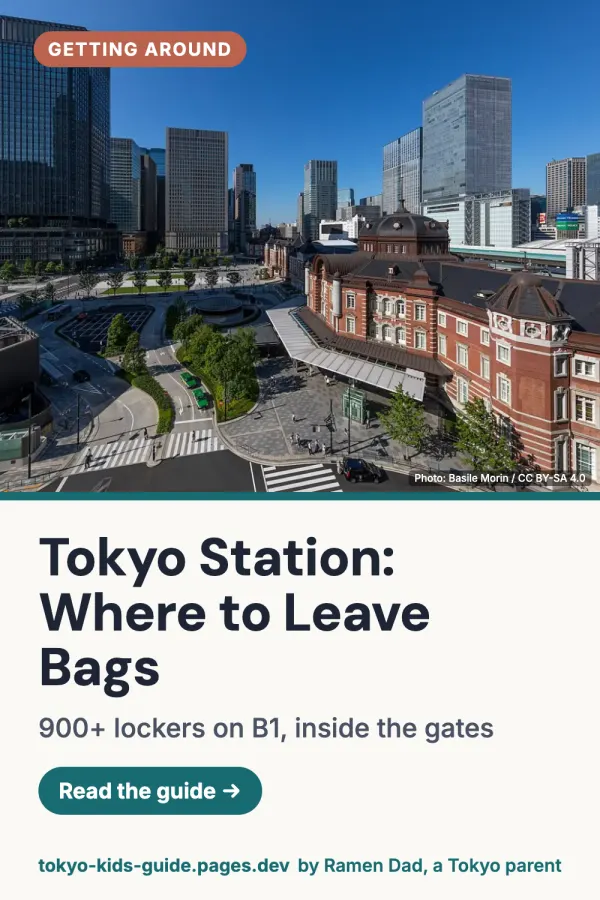
Many family trips to Tokyo include a stop at **Tokyo Station**: the Shinkansen to Kyoto, the Narita Express, the Keiyo Line to Disney, or the bus to Haneda. It's also one of the biggest stations in the country, spread from five floors underground to two above. With a stroller, suitcases and a child who suddenly needs the bathroom *right now*, the size is the problem.I’m a Tokyo dad, and Tokyo Station is where my family starts most of our trips. This guide is the map I’d give a visiting friend: where the baby rooms are, where to leave bags, how to find elevators, and where your family can take a break before the next train.
Ramen Dad’s note: Tokyo Station has given us our share of tricky moments with my daughter. It spreads over several floors, so give yourself extra time.
Quick answer: Tokyo Station with kids
| Question | Answer (checked October 10, 2026) |
|---|---|
| Baby room inside the gates? | Yes. B1 GRANSTA (two rooms, regular JR gates) and inside the JR East Shinkansen North Transfer Gate, 1st floor (Shinkansen area only) |
| Baby room outside the gates? | Tokyo Station Ichibangai B1, Daimaru 9F, Marunouchi Building 3F, KITTE 5F |
| Biggest bank of lockers? | B1 GRANSTA, inside the gates: 900+ lockers, including large ones |
| Locker prices | Typically ¥300 (SS) to ¥1,000 (L) |
| Can I reserve a locker? | Some of them. Only “multi ecube” lockers can be reserved online, up to a month ahead |
| Elevators? | Yes. JR East’s station map marks them; the Tokyo Station Navi app shows step-free routes |
| Where to wait? | Meet at the Gin no Suzu (Silver Bell) area, B1 inside the gates. For fresh air, the free KITTE rooftop garden outside |
| Keiyo Line (to Disney)? | 4th floor underground, about a 10–15 minute walk from other platforms |
| Stroller rental? | Babycal, at three spots in and around the station, by advance booking |
First, two things that make Tokyo Station easier
1. Inside or outside the gates?
Tokyo Station has three areas to keep straight: outside the ticket gates (anyone), inside the regular JR gates (for people with a ticket), and inside the Shinkansen gates. Being inside the regular JR area doesn’t give you access to facilities beyond the Shinkansen transfer gates.
Shops, toilets and baby rooms exist both inside and outside the gates. If you’re changing trains, stay inside: the GRANSTA area on B1 has food, lockers and baby rooms without leaving the gates. If you’re meeting someone or have time to spare before hotel check-in, the outside areas (Ichibangai, Daimaru, KITTE, the Marunouchi Building) have more space.
2. Two sides: Marunouchi and Yaesu
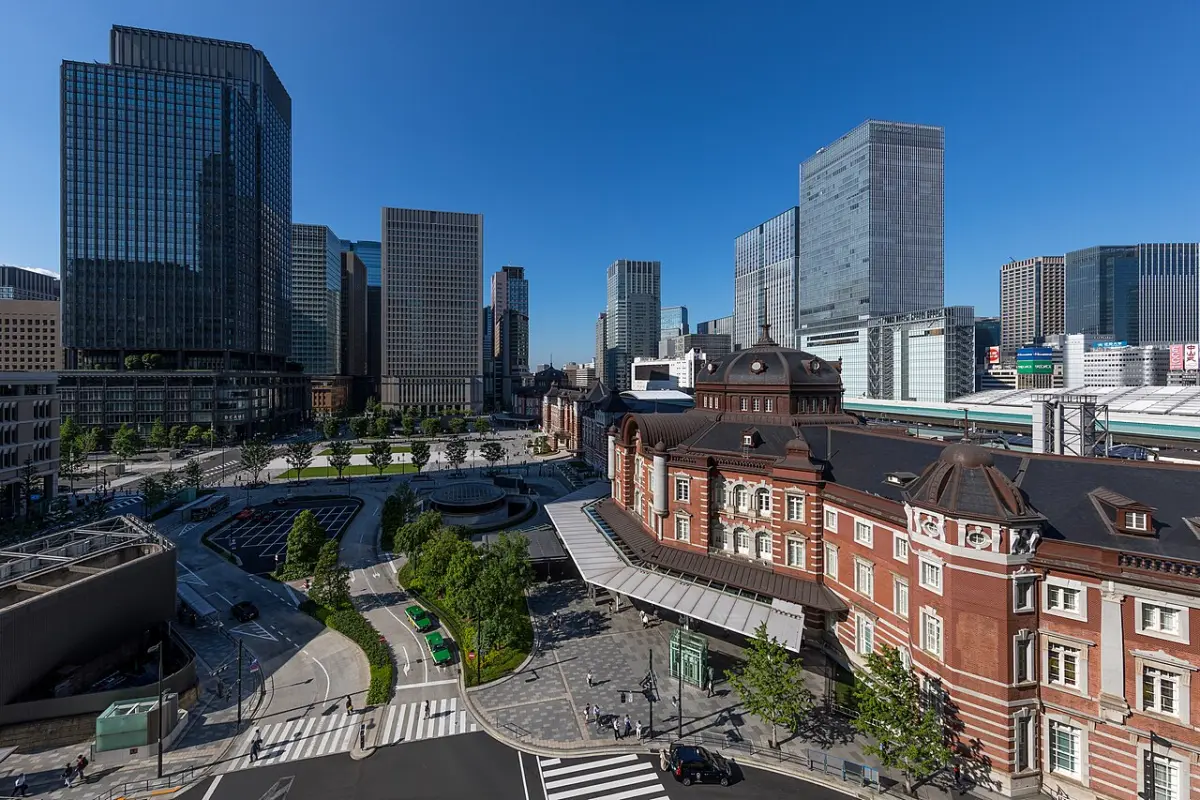
The Marunouchi side is the red-brick station building. KITTE and the Marunouchi Building are here. The Yaesu side has Daimaru, the Ichibangai mall and the bus stops, including the Limousine Bus to Haneda and buses toward Tokyo Disney Resort. When you check a route, note which side you need.
Use the official map and app
JR East’s Tokyo Station map and barrier-free page (Japanese) marks elevators, toilets, accessible toilets, baby rooms, coin lockers and ticket offices on its floor maps. There’s also a link to a live page showing which major toilets are free.
JR East’s official media site describes the Tokyo Station Navi app: route guidance to shops, lockers, toilets, gates and Shinkansen platforms, with a step-free route option for strollers and wheelchairs, plus locker reservations (JRE Media, Japanese, updated September 2026). If an elevator is out of service or you can’t find one, ask station staff at any gate.
Ramen Dad’s note: I have my usual stroller route through Tokyo Station. Turn on the step-free option in the Tokyo Station Navi app if you’re new to it.
Baby rooms: where to feed and change
| Where | Inside or outside the gates | What’s there |
|---|---|---|
| Shinkansen North Transfer Gate, 1F (JR East) | Inside the JR East Shinkansen area, beyond the North Transfer Gate (Tohoku/Hokuriku/Joetsu Shinkansen). Not reachable from the regular JR gates alone | Nursing chair, changing bed, sink with filtered and hot water, handwashing sink, diaper bin. Next to an accessible toilet with a child’s toilet and baby chair |
| GRANSTA B1: beside Square Zero, and inside the Yaesu Underground Central Gate | Inside | Changing bed, handwashing sink, nursing chair |
| Tokyo Station Ichibangai B1, near Tokyo Character Street | Outside (Yaesu side) | Nursing and diaper changing |
| Daimaru Tokyo, 9F | Outside (Yaesu side) | 3 curtained nursing areas, 4 changing beds, 75°C water for formula |
| Marunouchi Building, 3F | Outside (Marunouchi side) | 4 nursing rooms, 3 changing tables, hot water for formula; 11 a.m.–9 p.m. (8 p.m. Sundays and holidays; may be closed January 1 and on building closure days). Nursing rooms are for women only |
| KITTE Marunouchi, 5F | Outside (Marunouchi side) | Nursing room with a changing table |
Sources: JR East baby rooms (Japanese), GRANSTA (Japanese), Ichibangai, Daimaru, Marunouchi Building, KITTE. GRANSTA notes that its bottle sterilizers were removed in 2025, so bring your own sterilizing supplies if you need them.
If you’re about to board a JR East Shinkansen, the North Transfer Gate room is the one to use once you’re through that gate. If you’re not taking a JR East Shinkansen, use one of the other baby rooms instead. For the Tokaido Shinkansen (to Kyoto and Osaka), the B1 GRANSTA rooms inside the gates are a good stop before you head up. My Shinkansen with kids guide covers the onboard multi-purpose room.
Lockers and bags
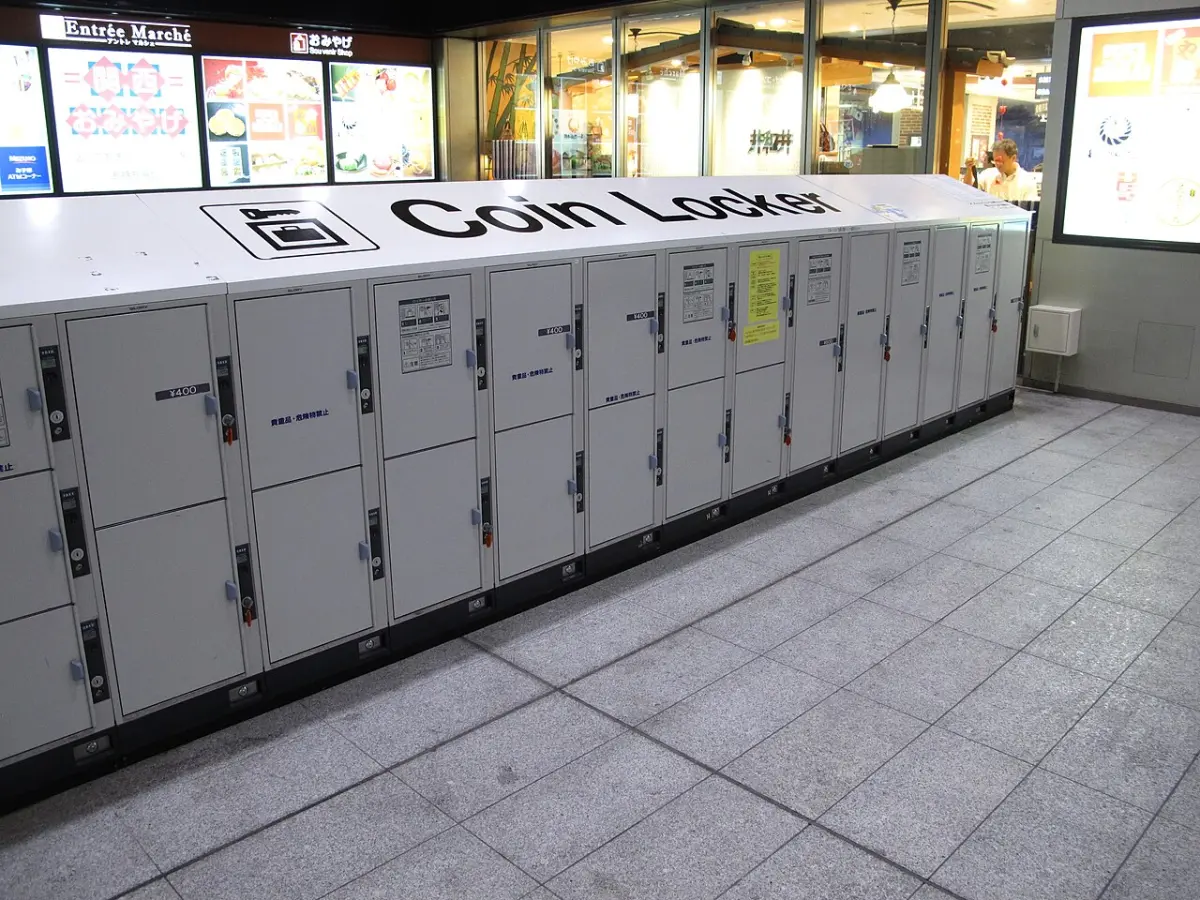
JR East’s media site says Tokyo Station has more than 100 locker locations. Typical prices by size (JRE Media, Japanese, updated October 2025):
| Size | Typical price |
|---|---|
| SS | ¥300 (≈$2) |
| S | ¥500 (≈$3) |
| M | ¥700–¥800 (≈$4–$5) |
| L | ¥900–¥1,000 (≈$6) |
Prices vary by location and locker type. Multi ecube lockers may charge an extra ¥100–¥200 for M and L sizes during busy travel periods.
Locker sizes aren’t standardized across the station, and an L locker won’t necessarily fit every large checked suitcase. Check the size before you pay. Many ordinary lockers take only cash or a transit IC card; multi ecube lockers also accept credit cards and some QR payments (JRE Media, Japanese).
Where the lockers are
| Location | Gates | Lockers |
|---|---|---|
| B1 near GRANSTA | Inside | About 920 as of October 2025: 728 S, 152 M, 40 L. The biggest bank inside the gates |
| Marunouchi Underground Central/North Gates | Inside | 91 S, 37 M |
| Marunouchi Central Gate | Inside | 40 S, 19 M |
| Keiyo underground passage (toward the Keiyo Line) | Inside | 5 SS, 78 S, 33 M. Often less busy, since it’s away from other lines |
| Near the Yaesu North Gate (close to the Shinkansen transfer gates) | Outside | 5 SS, 80 S, 51 M |
| North Free Passage, Marunouchi North Gate | Outside | 39 S, 26 M |
Counts are from JR East’s October 2025 article and can change. All are open from the first train to the last. Large (L) lockers are the scarcest. If you need one for a big suitcase, aim for B1 GRANSTA.
What if the lockers are full? Reserve ahead. The multi ecube lockers can be booked from your phone up to a month ahead, show live availability, and offer same-day delivery to your hotel. JR East’s media site suggests booking during New Year, Golden Week and Obon, when the station is packed.
Not every locker is reservable, though. Booking needs a free JRE ID and a credit card, and covers only multi ecube units, by the day, for up to 3 days. A locker “day” rolls over at 2 a.m., not after 24 hours. The FAQ warns that a booking can still fall through if the previous user hasn’t emptied the locker (multi ecube FAQ, Japanese).
Better still, don’t carry the big bags at all. My luggage forwarding guide shows how to send suitcases ahead so you can move through stations with day bags.
Ramen Dad’s note: I’ve left suitcases in lockers at Tokyo Station. Large lockers are the scarcest, so reserve ahead or send bags to the hotel.
Stroller rental
Babycal rents strollers at three spots: BAGGAGE STORAGE+ (inside the gates, B1), the baggage counter in front of the Shinkansen South Transfer Gate (inside, 1F), and the Ekitabi Concierge Tokyo at the Marunouchi North Exit (outside, 1F). You register and book in advance. Prices and booking details are in my stroller rental in Tokyo guide.
Where to wait with kids
Inside the gates: the Gin no Suzu area
The Gin no Suzu (Silver Bell) area on B1 inside the gates is named after a silver bell monument, and GRANSTA lists a cluster of sweets and snack shops there (GRANSTA Tokyo, Japanese). It’s handy as a “meet at the bell” point if your group splits up, and the B1 lockers and baby rooms are on the same floor. Treat it as a meeting landmark, though: don’t count on finding a seat or a quiet spot for a nap. For a longer break, sit down at a café.
Outside the gates: character shops and a rooftop
- Tokyo Character Street (Ichibangai B1, Yaesu side), 10 a.m.–8:30 p.m.: a Pokémon Store, a Tomica and Plarail train-toy shop, a Chiikawa shop and dozens more. It’s a reliable way to spend 30 minutes with kids, although the shops make it easy to overspend.
- Tokyo Okashi Land next door, 9 a.m.–9 p.m.: snack-maker shops, some with freshly made treats.
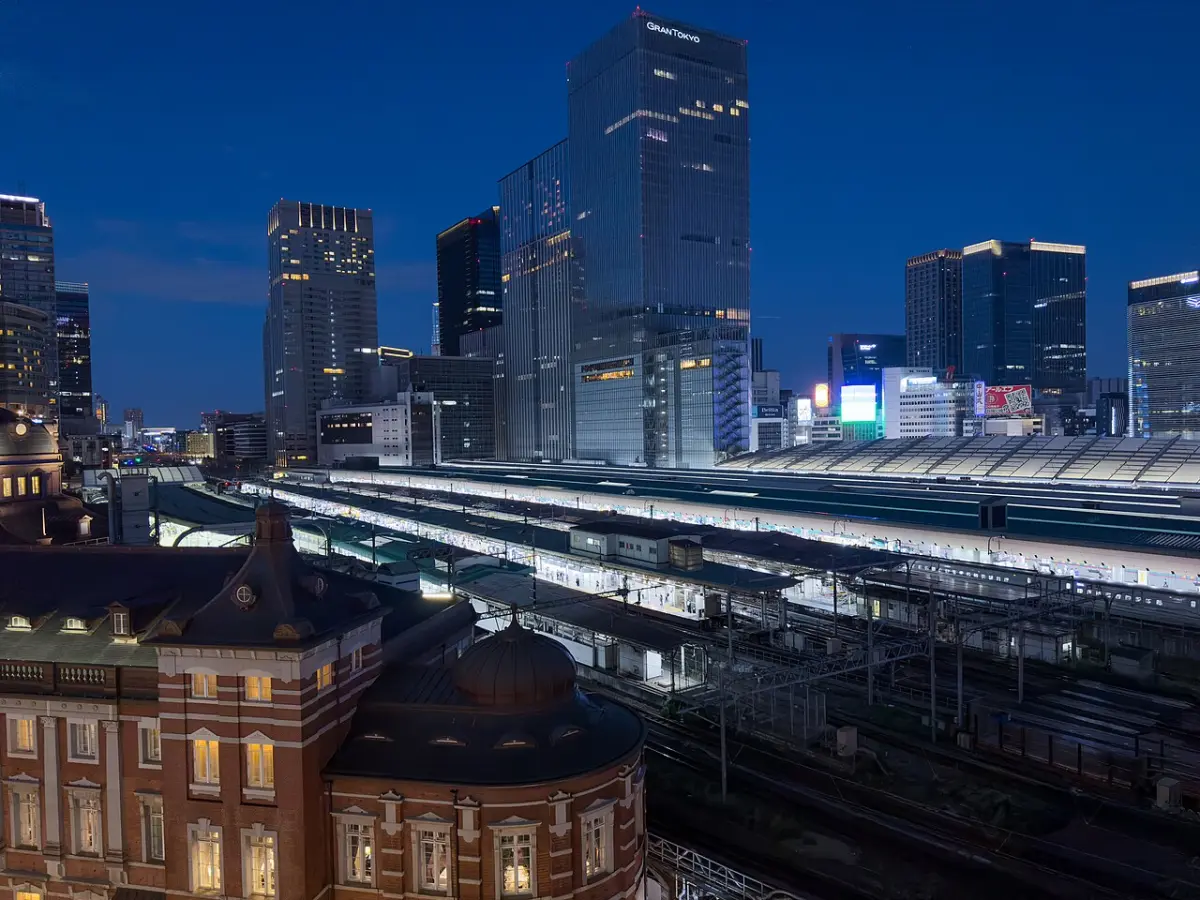
- KITTE Garden, the rooftop of KITTE Marunouchi (6F), about a minute’s walk from the Marunouchi South Exit. It’s free, about 1,500 m², and overlooks the red-brick Marunouchi station building. Open 11 a.m.–11 p.m. on weekdays and 11 a.m.–10 p.m. on weekends and holidays, and closed in bad weather (KITTE).
Hungry? My restaurants near Tokyo Station guide lists kids’ menus, high chairs and the easiest sit-down options.
Ramen Dad’s note: We’ve spent waiting time at Tokyo Station with my daughter. Character Street and the KITTE rooftop are easy ways to fill it.
Changing trains with kids
To the Keiyo Line (Tokyo Disney Resort)
This is the transfer that surprises families. JR East’s media site says the Keiyo Line platforms are four floors underground, and the walk from the other JR and Shinkansen platforms takes about 10–15 minutes: follow the “Keiyo Line (for Maihama)” signs toward the Yaesu South side, then the “Keiyo Street” passage with its moving walkways. Red lines on the floor guide the way. The standard route ends with escalators down (JRE Media, Japanese), so with a stroller, check the elevators on the official station map or use the step-free route in Tokyo Station Navi instead. The same page acknowledges it’s hard work with kids and heavy bags.
Some Keiyo Line trains, such as the Wakashio limited express, don’t stop at Maihama, so check the stopping pattern before you board.
Plan at least 20 minutes with a stroller and luggage, more if you need a diaper change on the way, and use the Keiyo passage lockers if you’re dropping bags on the way. For the full route from the airport, see my Narita to Tokyo Disneyland guide.
To the Shinkansen
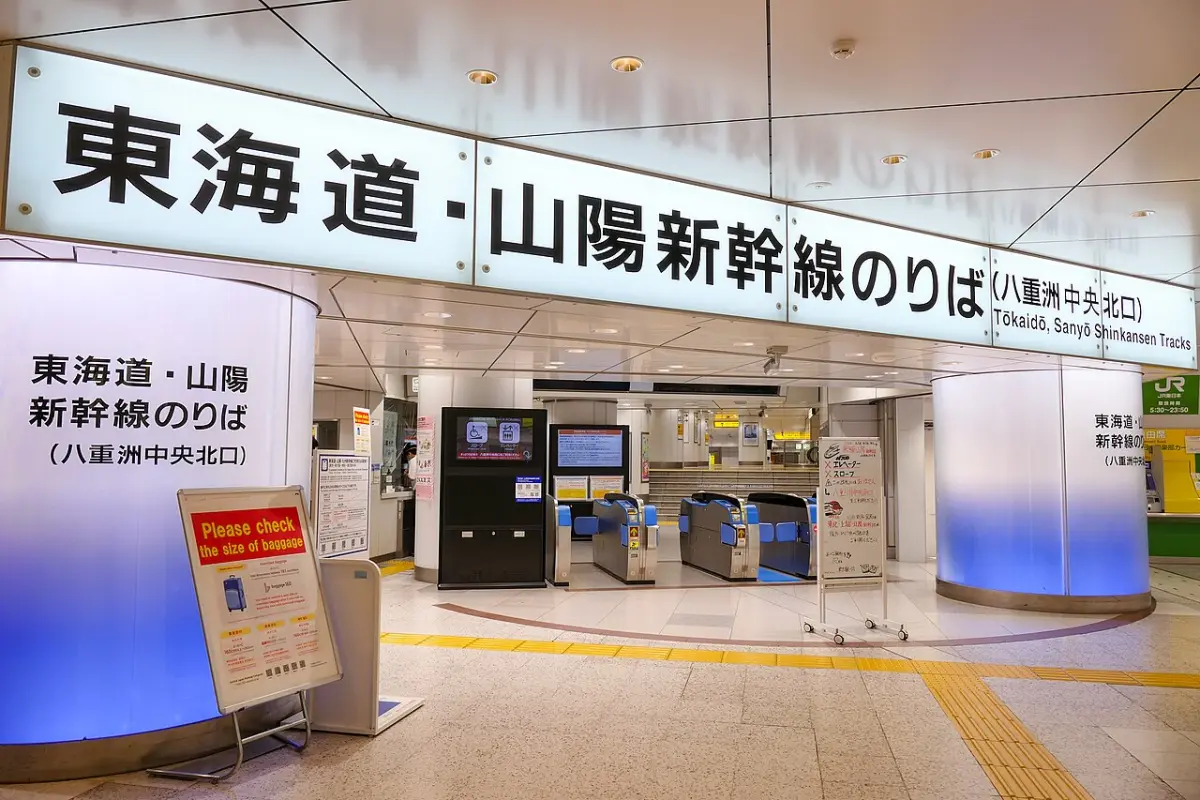
Tokyo Station has two Shinkansen operators. JR East runs the lines north (Tohoku, Joetsu, Hokuriku) through the North Transfer Gate. JR Central runs the Tokaido Shinkansen to Kyoto and Osaka, and its Central Transfer Gate is near the Yaesu North side. When you’re coming from a local JR line, follow the signs for your Shinkansen’s transfer gate rather than leaving the station, and have your Shinkansen ticket or booking ready at the gate. If you’re arriving from outside the station, use a Shinkansen entrance instead.
If you still need tickets, you can book the Shinkansen in English on smartEX, or compare options on a travel platform. Check the operator, departure station, how you collect the ticket and the child fare before booking, since instructions differ between platforms:
Check Shinkansen tickets on Klook ↗Affiliate link. Prices and availability can change.
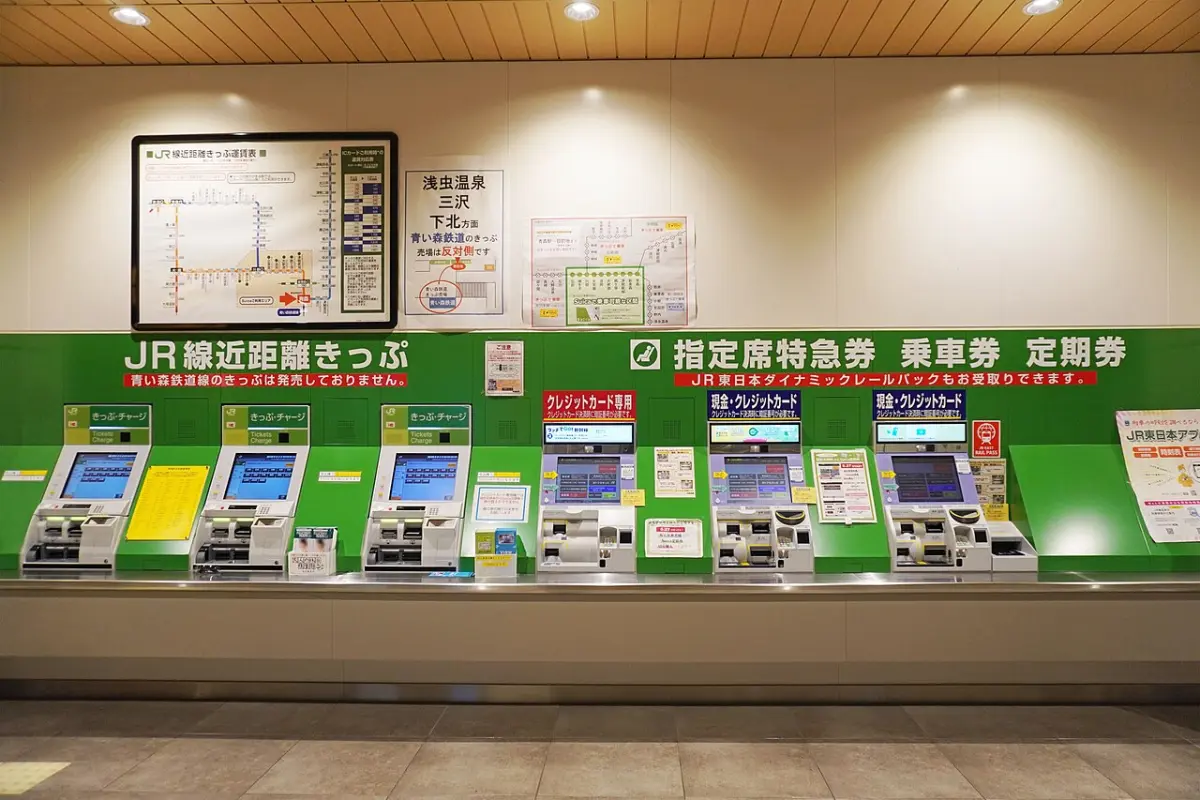
### Buying child cards and ticketsThe JR EAST Travel Service Center at Tokyo Station sells the child version of Welcome Suica (bring the child’s passport). See my Suica for kids guide before you queue.
FAQ from parents
“Is Tokyo Station stroller-friendly?” It has elevators and step-free routes, but distances are long and the station is crowded at rush hour. My stroller or carrier in Japan guide helps you decide what to bring. Plan routes on the official map or the Tokyo Station Navi app, and allow extra time.
“Can I get from the Shinkansen to the Keiyo Line without leaving the gates?” Yes, the Keiyo Line is part of JR East’s station. It’s just a long walk.
“Where’s the closest baby room to the Tokaido Shinkansen?” The B1 GRANSTA rooms inside the gates are a practical stop before heading up. Check JR Central’s own station information for anything inside its Shinkansen gates.
“We lost each other in the crowd. What now?” Agree on a meeting point before you go in (the Silver Bell on B1 is easy to remember), and make sure older kids know to go to station staff at a gate.
“Are there toilets for small kids?” JR East’s baby room inside the North Transfer Gate is next to an accessible toilet with a child’s toilet and baby chair. The official station page also links to a live toilet-availability map.
“Can we leave bags at the station and go sightseeing?” Yes. The B1 GRANSTA lockers are the biggest bank, and multi ecube lockers can be reserved ahead. Note when the locker “day” ends (2 a.m. for multi ecube) so you’re not charged an extra day.
Before you go: Tokyo Station with kids checklist
- Confirm your train operator and gate, and which side you need, Marunouchi or Yaesu.
- Open JR East’s station map and note the elevators on your route.
- Find a baby room and toilet along your route, on the right side of the gates.
- Reserve a locker (multi ecube) if you’re arriving at a busy time with big bags.
- Allow 20+ minutes for the Keiyo Line transfer to Disney.
- Pick a meeting point on the correct side of the gates, like the Silver Bell on B1 inside the gates.
- Pack sterilizing supplies if you need them; GRANSTA’s baby rooms no longer have bottle sterilizers.
- Keep the kids’ passports handy if you’re buying a child Welcome Suica.
Ramen Dad’s note: If you remember one thing: pick a meeting point on the correct side of the gates. Everything else at Tokyo Station is easier from there.
Facility details checked against JR East, JRE Media, GRANSTA, Tokyo Station Ichibangai, Daimaru, Marunouchi Building and KITTE pages on October 10, 2026. Locker counts and shop hours change, so check the official pages close to your trip.